Last Updated on March 24, 2026 by Admin
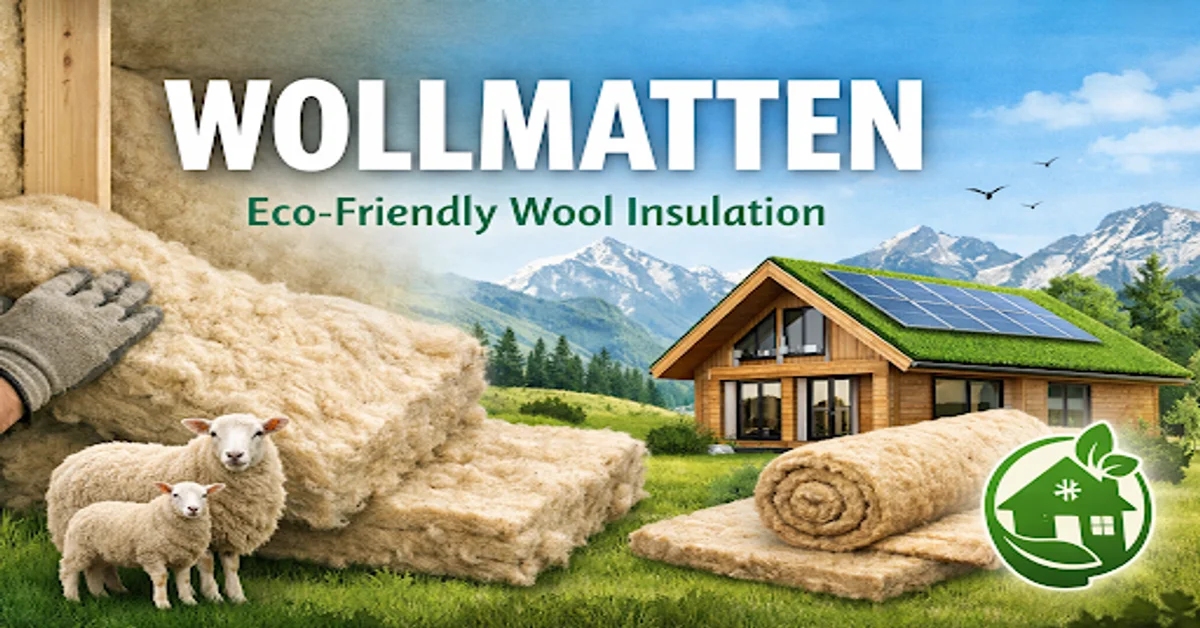
Wollmatten is an elegant return to nature’s technologies. Made from processed sheep fibers, these mats take advantage of the wool fiber’s natural crimp and loft to trap air, delivering strong thermal insulation without synthetic chemicals. Because they are breathable and moisture-regulating, they help keep wall assemblies dry and indoor air balanced, which supports long-term building health.
Across home renovation and new construction, people want materials that not only perform but also align with environmental and health goals. Wollmatten answers that demand by offering a renewable, biodegradable option that reduces reliance on petroleum-based products. Its growing appeal is driven by a desire for resilient, low-toxicity homes that feel comfortable year-round and reduce energy bills.
Green building movements, certification programs, and homeowner awareness have all pushed demand for low-carbon, durable materials. Wollmatten fits neatly into that trend: it supports energy efficiency targets and can contribute to recognized standards, making it attractive for projects pursuing higher sustainability credentials.
RELATED: Eschopper: The Future of Urban Electric Rides
What Is Wollmatten?
Definition of Wollmatten
Wollmatten are insulation panels or rolls crafted primarily from cleaned and treated wool fibers. They come in varying thicknesses and densities to meet different thermal and acoustic needs. Unlike many synthetic insulations, Wollmatten is designed to be breathable, biodegradable, and gentle on indoor air.
How wool insulation mats are made
Production starts with sorting and cleaning raw wool. Fibers are carded and often blended with small amounts of natural binders or mineral treatments that enhance fire resistance and pest deterrence. The wool is then formed into mats and sometimes faced with breathable textiles for easier installation. Modern manufacturing ensures consistent thermal performance and long-term stability.
The science behind wool fiber insulation
Wool fibers are naturally crimped, which creates tiny air pockets when packed into a mat. Those air pockets are what slow heat flow — in other words, what provides insulation. Additionally, wool can absorb moisture vapor without losing loft, enabling moisture control within wall assemblies. This combination of thermal resistance and dynamic moisture handling is what makes Wollmatten scientifically effective.
History and Evolution of Wool Insulation
Traditional use of wool in construction
Historically, wool was prized for blankets and clothing precisely because of its thermal and moisture-management properties. In vernacular construction, shepherding cultures sometimes used wool in lofts and between rafters for extra warmth. The material’s longevity and natural warmth have long been known — it’s not a new idea, only newly optimized.
Modern innovations in Wollmatten insulation
Today’s Wollmatten benefits from modern processes: improved cleaning, standardized R-value testing, and treatments that improve fire and pest resistance while keeping the product natural. Innovations also include pre-cut panels for easy retrofit use and hybrid products that pair wool with recycled textiles for enhanced acoustic or thermal performance.
Why wool insulation is returning in green building
As standards shift toward lifecycle thinking (embodied carbon, recyclability, indoor air quality), wool insulation reappears as a competitive choice. It offers renewable sourcing, low embodied energy relative to many foams, and strong end-of-life options (biodegradable or compostable), aligning with the goals of sustainable architecture and green building.
Key Features of Wollmatten Insulation
Natural and Renewable Material
Wollmatten are based on a renewable resource: the annual shearing of sheep. This cyclical supply reduces reliance on finite petrochemicals and supports agricultural systems. When sourced responsibly, the material’s environmental footprint is low relative to many manufactured insulations.
Thermal Insulation Performance
High-quality Wollmatten delivers reliable R-values appropriate for walls, roofs, and floors. Their thermal performance derives from trapped air in the fiber matrix, delivering effective thermal resistance that reduces heating and cooling demands across seasons.
Moisture Regulation and Breathability
A standout feature is the ability to absorb moisture vapor up to a substantial percentage of its dry weight without feeling wet. This buffer reduces condensation risk, stabilizes indoor humidity, and supports moisture control strategies that protect structural elements.
Sound Absorption Properties
Wool naturally dampens sound due to its fibrous structure. Wollmatten reduces airborne noise and can be used in acoustic panels, creating quieter, more comfortable interiors — a welcome benefit for multi-family housing or rooms needing sound management.
Non-Toxic and Safe for Indoor Air
Unlike some synthetic insulations that can off-gas, wool mats are non-toxic and hypoallergenic when processed correctly. They contribute positively to indoor air quality and reduce occupant exposure to harmful volatile organic compounds (VOCs).
Benefits of Using Wollmatten in Homes
Energy efficiency and reduced heating costs
By slowing heat transfer and improving thermal comfort, Wollmatten reduces the energy required for heating and cooling. Over time, energy savings can offset the higher upfront cost of natural insulation, delivering strong lifecycle value.
Improved indoor comfort
Homes insulated with wool maintain more consistent temperatures and balanced humidity. The result is spaces that feel naturally comfortable without over-reliance on mechanical systems.
Better air quality
Because Wollmatten are typically free from synthetic binders and harmful additives, they help maintain healthier indoor air. This advantage is especially important for occupants with sensitivities or in airtight, energy-efficient homes.
Long-lasting durability
Properly treated wool mats resist compaction and retain loft, ensuring long-term thermal performance. Their natural resilience can translate into decades of effective service.
Eco-friendly construction benefits
Using Wollmatten reduces dependence on petrochemical products and supports renewable supply chains. When combined with other green building strategies, wool insulation helps projects lower their carbon footprint and move toward certifications like LEED or Passive House.
How Wollmatten Improves Energy Efficiency
Temperature regulation
Wollmatten stabilizes indoor temperatures by reducing heat loss in winter and limiting heat gain in summer. That regulation reduces HVAC cycling and improves occupant comfort.
Reduced heat loss in winter
The trapped air pockets in Wollmatten limit conductive heat transfer, meaning homes retain warmth better — especially critical in cold climates where heating costs are a major expense.
Cooling benefits during summer
By moderating heat transfer and adding thermal mass-like buffering through moisture handling, wool mats help keep interiors cooler during heat waves, which lowers cooling loads.
Applications of Wollmatten in Modern Buildings
Wall Insulation
Wollmatten can be installed in cavity walls or as interior liners. Their breathability makes them suitable for retrofit and new-build assemblies that favor moisture-tolerant systems.
Roof and Attic Insulation
Because attics are heat-loss hotspots, wool mats provide an excellent solution for lofts and rafter bays. Their moisture buffering helps prevent condensation-related problems common at roof assemblies.
Floor Insulation
Underfloor installations bring warmth underfoot and reduce heat loss to unheated spaces. Wollmatten are particularly comfortable in timber-floored homes seeking natural materials.
Acoustic and Soundproofing Solutions
In studios, multi-family units, or busy homes, wool mats can be integrated into acoustic panels and partitions to materially reduce noise transfer and create more serene interiors.
Wollmatten vs Traditional Insulation Materials
Wollmatten vs fiberglass insulation
Fiberglass is cheap and ubiquitous but can irritate skin and lungs during installation and is less effective at moisture buffering. Wollmatten is gentler to handle and actively regulates humidity, improving long-term wall health.
Wollmatten vs foam insulation
Foam offers high R-values per inch but is petroleum-based and can off-gas. Wollmatten trades some volumetric efficiency for renewability, breathability, and lower embodied carbon in many cases.
Wollmatten vs cellulose insulation
Cellulose (recycled paper) is an effective, low-cost eco alternative. It provides good thermal and sound performance but lacks the same moisture-handling and natural resilience of wool fibers.
Key differences in sustainability and performance
Wool excels at moisture control, indoor-air friendliness, and biodegradability. Other materials may offer cost or R-value advantages, but Wollmatten’s balance of health and environmental benefits often outweighs those differences for green-focused projects.
Eco-Friendly Alternatives to Traditional Insulation
Natural fiber insulation options
Beyond wool, options include insulation made from hemp, cork, and recycled textiles. Each has strengths: some offer low embodied carbon, others excellent acoustic performance or moisture control.
Sustainable building materials
Materials such as the following help diversify low-impact options: Cellulose insulation, Hemp insulation, Cork insulation, and Recycled denim insulation. Each offers trade-offs in cost, availability, and performance.
Green construction trends
Designers increasingly favor materials that perform well in lifecycle analyses and contribute to goals such as reduced carbon footprint and improved indoor air quality. Combining different natural materials can optimize performance while staying true to green building principles like Sustainable Architecture and Green Building.
How to Install Wollmatten Insulation
Preparation and planning
Assess the building envelope to identify thermal bridges, air leakage paths, and moisture risks. Proper detailing around windows, doors, and penetrations is essential. Choose the right thickness and density of Wollmatten for the climate and assembly.
Installation process
Wollmatten typically fit into stud bays or between rafters; they can be friction-fit, stapled to battens, or installed with breathable membranes where required. Follow manufacturer guidelines for vapor management and joining seams to maintain continuous insulation performance.
Professional vs DIY installation
DIY installation is feasible for confident homeowners using pre-cut panels, but professional installation ensures correct detailing, especially where vapor control, fire safety, or structural issues are involved. For projects targeting certification like LEED certification or the Passive House Standard, expert input is recommended.
Maintenance and Lifespan of Wollmatten
Durability of wool insulation
With correct installation and protection from direct moisture or pests, Wollmatten can maintain performance for decades. Unlike some insulations that settle or degrade, wool resists compaction when properly supported.
Pest and mold resistance
Modern wool mats are commonly treated with non-toxic mineral salts to discourage insects and fungal growth, supporting building health and longevity. Their moisture-handling ability also reduces the conditions favorable to mold.
Long-term performance
Over time, wool maintains its loft and thermal resistance if kept dry and undisturbed. Routine building inspections will catch any issues, but generally, Wollmatten requires minimal maintenance.
Real-Life Case Studies of Wollmatten
Sustainable homes using wool insulation
A family retrofit in the Bavarian Alps replaced synthetic batts with Wollmatten and reported more even indoor temperatures and lower heating bills during winter months. Homeowners also noted improved indoor comfort and fewer moisture-related concerns in older timber walls.
Energy-efficient building projects
An eco-community in Denmark integrated wool mats into several low-carbon homes, benefiting from both thermal comfort and sound reduction — factors that increased occupant satisfaction and contributed positively to the project’s sustainability narrative.
Success stories from eco-friendly construction
In Australia, a boutique hotel used wool-based insulation and acoustic panels to elevate guest comfort. The tactile warmth and quiet interiors became part of the hotel’s guest experience and marketing, demonstrating wool’s appeal beyond purely technical performance.
Challenges and Considerations
Cost comparison with traditional insulation
Initial costs for Wollmatten can be higher than fiberglass or blown cellulose. However, when factoring lifecycle benefits — lower energy use, improved indoor air, and potential longevity — the total cost of ownership often becomes competitive for homeowners prioritizing sustainability.
Availability in different regions
Supply can be limited in areas without established natural-fiber manufacturers. Sourcing from reliable suppliers and verifying treatment standards (fire, pest, hygiene) are important steps.
Factors to consider before installation
Assess climate, wall assembly details, vapor control strategy, and local building codes. For airtight, high-performance assemblies, coordination with HVAC and moisture-control design ensures Wollmatten will perform as intended.
Future of Wollmatten in Sustainable Construction
Growth of green building materials
As the construction industry-wide embraces low-carbon materials and circular thinking, Wollmatten’s market position is likely to strengthen. Their renewable nature and compatibility with healthy-building priorities make them a natural fit for future-focused projects.
Innovations in natural insulation technology
Improved manufacturing, hybrid products combining recycled textiles with wool, and standardized testing will broaden use cases and reduce cost barriers. Expect to see increased modular options and integration with prefabricated green-wall systems.
Increasing demand for eco-friendly homes
Homeowners and developers increasingly prioritize energy efficiency, indoor air quality, and embodied-carbon reduction. Wollmatten can play a role in meeting those demands, especially in projects that pursue E-A-T-aligned transparency and credible certifications.
RELATED: Primerem: Meaning and Role in Technology
Frequently Asked Questions
What is Wollmatten insulation used for?
Wollmatten are used to insulate walls, roofs, floors, and acoustic panels. They improve thermal performance, regulate humidity, and reduce noise in residential and light commercial buildings.
Is Wollmatten better than fiberglass insulation?
“Better” depends on priorities. Wollmatten excels at moisture regulation, indoor-air friendliness, and sustainability. Fiberglass may provide similar R-values at a lower cost but is less effective at moisture buffering and can be irritating during installation.
How long does Wollmatten insulation last?
With proper installation and protection from persistent moisture, Wollmatten can last for several decades. Regular building maintenance ensures continued performance.
Is wool insulation safe for indoor air quality?
Yes — when manufactured and installed correctly, wool mats are non-toxic and do not off-gas harmful chemicals, supporting healthier indoor air.
Can Wollmatten help reduce energy bills?
Yes. By improving thermal resistance and stabilizing indoor temperatures, Wollmatten reduces heating and cooling loads, lowering energy use and bills over time.
Summary
Wollmatten combines natural performance with real-world benefits: thermal comfort, moisture regulation, sound reduction, and healthier indoor air. For homeowners who want practical sustainability without compromising comfort, wool mats are a compelling option.
By reducing energy needs, supporting moisture control, and offering a renewable life cycle, Wollmatten contributes to a lower carbon footprint and improved occupant wellbeing — key outcomes for modern, responsible building.
Natural materials like Wollmatten are not a trend but part of a broader shift toward resilient, human-centered design. When selected and installed carefully, they deliver measurable performance and enduring value.