Last Updated on March 25, 2026 by Admin
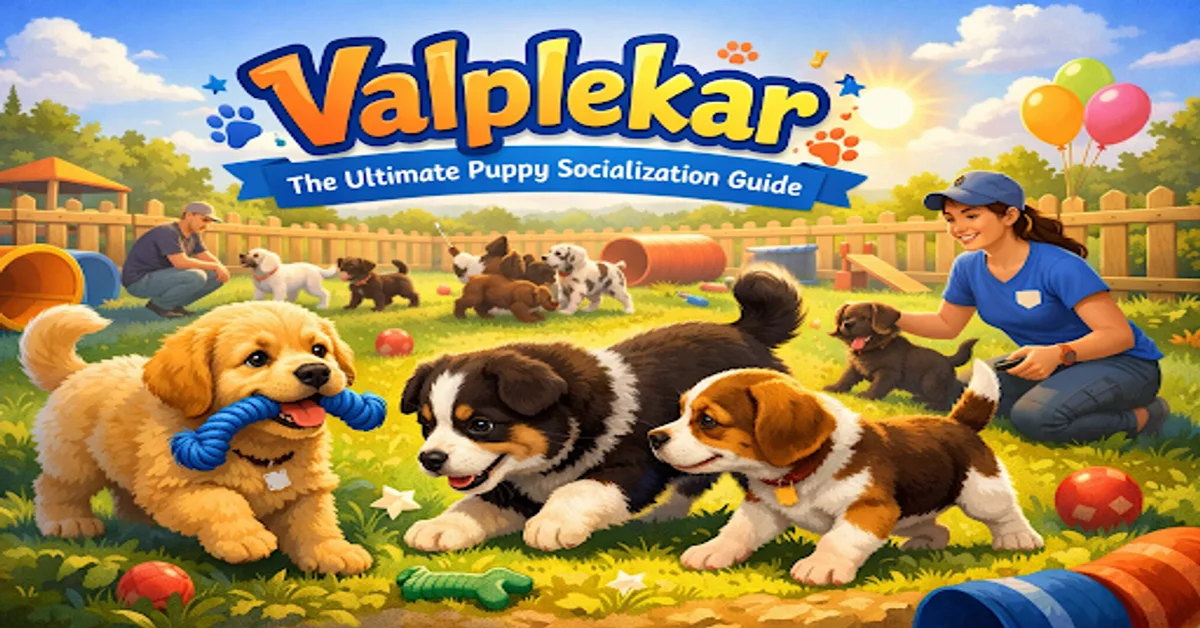
Valplekar is a powerful, play-first approach to puppy development that channels natural energy into structured learning. In a few focused sessions each week, puppies are given safe opportunities to interact, explore, and practice social rules — and the results are striking: calmer behavior, faster learning, and deeper bonds between owner and pet. This introduction will orient you to the big picture and spark excitement about what your puppy can achieve.
Early life is a critical window for young dogs. Between a few weeks and a few months, puppies are wired to learn what—and who—the world is. Positive exposure during this period reduces fear-based reactions later, prevents many common behavior problems, and helps dogs become resilient, trusting companions. In short, socialization matters because it shapes a lifetime of behavior.
Valplekar is a deliberate puppy socialization program that emphasizes play-led learning. Instead of rigid drills, puppies engage in short, guided play sessions designed to teach communication, bite inhibition, confidence, and adaptability. Trainers structure play to reward curiosity, calm approaches, and friendly interactions.
Play is the natural language of young canines. Through chasing, gentle wrestling, and shared toys, puppies experiment with body language, test limits, and learn to read social cues. Play-based learning accelerates cognitive development, improves coordination, and provides mental stimulation that reduces boredom and destructive behavior.
RELATED: Incestflox: Understanding the Viral Internet Term
What Is Valplekar?
Definition of Valplekar
Valplekar is a structured puppy socialization program centered on play and controlled experiences. It’s a framework of short, supervised sessions where puppies are introduced to other puppies, friendly adults, varied surfaces, sounds, and toys—always with safety and positive reinforcement at the core.
Unlike casual or unstructured play, Valplekar sessions are intentionally designed to teach specific social skills—like polite greetings or calming down after excitement—, so puppies internalize healthy behaviors early.
Core philosophy of the method
The philosophy of Valplekar is simple but profound: puppies learn best when learning is fun. The method prioritizes emotional safety, progressive exposure, and reward-driven shaping. Trainers reinforce desirable responses with praise and treats while minimizing fear, coercion, or punishment.
Valplekar also respects individual pace: each puppy is grouped by temperament and age so that shy or highly energetic puppies get matched with peers who help them grow, not overwhelm them.
Why Valplekar is becoming popular among dog owners
Modern owners want science-backed, humane methods that deliver real results — and Valplekar fits that bill. It’s practical, scalable, and fits easily into busy lives. Owners see clear improvements in manners, social poise, and problem-solving ability. Plus, the fun, communal nature of sessions builds connections between owners and creates supportive local communities. Because it’s built on proven principles like Positive Reinforcement and modern insights from Animal Behaviour and Ethology, Valplekar is increasingly recommended by trainers and veterinary teams.
Origins and History of Valplekar
Early ideas behind puppy socialization
Humans have observed social development in young animals for millennia, recognizing the benefits of communal rearing and play. Early shepherding and village practices often allowed pups to learn in social groups, where mistakes were gently corrected and strong bonds formed. Those informal lessons laid the cultural foundation for formalized socialization. Over the 20th century, ethologists and dog trainers started to document the crucial early windows for social learning in canines, leading to more intentional programs designed to prevent fear and aggression.
Evolution of structured play training
As research advanced, trainers moved from basic exposure lists (introduce puppy to X, Y, and Z) to more nuanced, play-based designs. Structured play training recognized that dogs are not blank slates but social learners who benefit from scaffolding: gradual challenges, predictable rewards, and varied stimuli presented at an appropriate pace. Valplekar represents the evolution of these ideas into a coherent curriculum—one that blends safe group play, sensory enrichment, and targeted exercises to teach communicative and coping skills.
How modern research shaped the Valplekar method
Contemporary findings from veterinary science, developmental ethology, and behaviorism have refined Valplekar’s approach. Studies show that puppies exposed to controlled social interactions during their critical period show fewer fear responses later, learn commands faster, and form stronger human bonds. Research also supports shorter, frequent sessions rather than long, overwhelming ones. Valplekar synthesizes these results into practical session plans, grouping strategies, and reinforcement schedules that maximize learning while minimizing stress.
How the Valplekar Method Works
Structured play sessions
Valplekar uses short, energetic sessions (typically 10–20 minutes for very young puppies) focused on simple games that teach specific skills: greeting manners, bite inhibition, recall amid play, and calm settling. Each activity has a clear learning objective and an easy reward strategy to reinforce the desired outcome. Sessions are fun-first but outcome-focused: play is the vehicle, training goals are the destination.
Controlled environments for puppies
Safety is central. Sessions happen in clean, secure spaces with soft flooring, age-appropriate toys, and no escape routes or hazards. Puppies are grouped by size and temperament to prevent injury and overwhelm. Controlled environments allow trainers to moderate intensity, introduce novel stimuli safely, and immediately support any stressed puppy. This careful control reduces the risk of negative experiences—one of the most important factors in long-term behavioral health.
Positive reinforcement techniques
Valplekar prioritizes praise, treats, and play as immediate positive feedback for good choices. Using Positive Reinforcement ensures puppies associate social competence and calm behavior with rewards, making those responses more likely to recur. Reinforcement is timed and specific—rewarding calm approaches, gentle play, and appropriate greetings—so puppies clearly understand what behavior leads to happy outcomes.
Key Principles of Valplekar
Learning through play
Play is both the medium and the message in Valplekar. Activities are designed to teach by doing, letting puppies practice communication, problem-solving, and impulse control while having fun. Learning through play increases retention and reduces stress because puppies are motivated by enjoyment. This principle reinforces that training need not be a chore—for both pets and owners, it can be a joyous bonding time.
Safe social interaction
Valplekar insists on safe, supervised contact. Play is monitored to prevent escalation, with trainers stepping in to model or redirect behavior when necessary. Safe social interaction prevents early negative associations with other animals or people—a key to lifelong emotional balance. Prioritizing safety also means ensuring vaccinations and health checks align with local veterinary advice before group play begins.
Gradual exposure to new environments
Puppies are introduced to new sights, sounds, and surfaces incrementally. This desensitization helps reduce fear responses by building familiarity in small, manageable steps. Gradual exposure works because it allows the puppy to build confidence at its own pace. Over time, what once seemed scary becomes routine—an essential component for adaptable adult dogs.
Building confidence and emotional stability
Confidence grows from repeated, successful experiences. Valplekar designs situations where puppies can succeed—then celebrates those successes. Emotional stability is the natural result of repeated positive outcomes and supportive human guidance. Confident puppies are less reactive, easier to train, and more enjoyable to live with.
Benefits of Valplekar for Puppies
Improved social skills
Puppies learn how to read body language, negotiate play intensity, and respect boundaries. These social skills reduce the likelihood of aggression or fearful avoidance later on. Group activities teach puppies how to queue for toys, take turns, and disengage with grace—skills that make walks, vet visits, and daycare far smoother. These social competencies are essential for lifelong well-being and harmonious community living.
Better emotional development
Valplekar nurtures emotional maturity by providing puppies with predictable routines, supportive feedback, and safe challenges. Puppies learn to self-regulate excitement, cope with mild stress, and recover quickly—traits that translate into calmer adult behavior and fewer stress-related health issues. Emotional development contributes to healthier relationships between owner and pet, making training and daily life more rewarding.
Increased confidence in new environments
Regular, gentle exposure to novel stimuli builds a robust, flexible temperament. Puppies trained with Valplekar show less fear at dog parks, during grooming, or when meeting strangers. This confident adaptability makes public outings less stressful and more enjoyable for everyone. Confidence also supports better learning: a calm, curious puppy is an eager student.
Enhanced physical activity and coordination
Play-based sessions encourage natural movement—running, pouncing, balancing—that strengthens muscles, improves coordination, and supports healthy growth. Mental stimulation coupled with physical play reduces destructive behaviors that arise from boredom. Healthy physical development complements mental growth for a well-rounded puppy.
The Role of Play in Valplekar Training
Why play is essential for puppies
Play is an essential developmental activity. It’s how puppies practice hunting skills safely, learn impulse control, and explore social hierarchies. Play teaches timing, force control, and social reciprocity—key building blocks for adult behavior. When structured properly, play becomes a guided curriculum rather than random roughhousing.
Types of play activities used in Valplekar
Valplekar uses varied games: gentle tug (with rules), fetch with pause commands, supervised chase-and-release, scent discovery games, and calm settling exercises after excitement. Each type targets a skill: impulse control, recall, problem solving, or sensory adaptation. Rotating activities keeps learning novel and exciting, preventing fatigue or overstimulation.
How games improve learning and behavior
Games create repeatable contexts where puppies can try, fail, and succeed. Because play is intrinsically rewarding, puppies are motivated to repeat behaviors that yield praise or toys. Trainers use that momentum to shape more complex behaviors, layering commands into play until they become second nature. Over time, positive habits generalize from the play area into daily life.
Valplekar and Puppy Socialization
Importance of early puppy interaction
Early interaction helps puppies form correct expectations about other animals and humans. This prevents fearful reactivity and reduces the risk of long-term behavioral issues. Social exposure is not optional—it’s foundational to healthy development. Valplekar maximizes early windows with safe, frequent interactions.
How puppies learn communication skills
Through play, puppies decode body language—ear position, tail carriage, play bows—which teaches them when to escalate and when to back off. Trainers model signals and reward appropriate responses so puppies develop strong social literacy. Better communication means fewer misunderstandings and more positive interactions in life.
Reducing fear and anxiety through social exposure
Fear often arises from the unknown. Valplekar reduces fear by providing controlled, positive encounters that build confidence. Short, repeated exposures help puppies become calm and curious rather than reactive and avoidant. This prevention-focused strategy saves owners from future intensive behavior interventions.
How to Practice Valplekar at Home
Creating a safe environment
Set up a clean, enclosed play space with non-slip surfaces, age-appropriate toys, and no small hazards. Ensure vaccinations and vet guidance align with your local health rules. A safe environment lets puppies explore without risk, improving learning efficiency. Good lighting, calm people, and predictable routines also help puppies feel secure.
Introducing new playmates gradually
Start with one friendly companion of similar size and energy. Observe interactions and separate if play becomes too rough. Gradually increase numbers and variety as the puppy gains confidence. Always supervise and intervene softly if escalation occurs. Matching temperaments is more effective than matching breed—personality matters.
Using toys and activities effectively
Rotate toys to maintain novelty: puzzle feeders for mental stimulation, soft plush for gentle tug, and balls for chase. Use toys to teach turn-taking: celebrate when your puppy yields. Integrate short training moments into play—two minutes of “sit” during a fetch session goes a long way. Balance physical games with calming activities to prevent overstimulation.
Safety Tips for Valplekar Sessions
Supervising puppy play
Never leave puppies unattended during group play. A watchful adult can redirect rough play, separate stressed pups, and reinforce positive interactions. Supervision is the backbone of safe Valplekar practice. Train volunteers and family members on stress signals and neutral intervention techniques.
Recognizing stress signals
Watch for rigid posture, tucked tails, pinned ears, excessive yawning, or attempts to hide—these are indicators that a puppy is stressed. Calmly remove or distance the puppy and allow a break. Respecting stress signals prevents negative experiences that can derail socialization. React calmly and reward calm behavior to model recovery.
Choosing safe toys and training tools
Use toys sized for puppies, free of loose parts, and durable enough to avoid choking hazards. Avoid overly competitive toys in group settings to reduce possessiveness. Use flat treats for quick reinforcement and avoid toys that encourage escalation when new puppies are meeting.
Common Mistakes to Avoid in Valplekar
Overstimulating puppies
Long sessions or too many novel experiences can overwhelm a young pup. Keep sessions short, frequent, and incremental. Watch energy levels and end on a positive note to reinforce good memories.
Ignoring puppy temperament differences
Every puppy learns at its own pace. Forcing a shy pup into intense play can create fear; isolating a bold pup can lead to frustration. Group by temperament, and tailor sessions to meet individual needs.
Skipping supervision during play sessions
Leaving play unsupervised increases the chance of injury or negative reinforcement. Supervision ensures that learning remains positive and that trainers can shape behavior in the moment.
Valplekar vs Traditional Puppy Training
Differences in training philosophy
Traditional training often emphasizes obedience exercises, repetition, and formal commands. Valplekar prioritizes social learning and uses play as the teaching medium. Both approaches can complement each other; Valplekar builds the emotional foundation upon which obedience training thrives. Think of Valplekar as the social curriculum that makes formal training easier and more lasting.
Advantages of play-based learning
Play-based learning leverages motivation, reduces fear, and embeds behavior in natural contexts. It builds enthusiasm for training and stronger human-dog bonds. Puppies trained via play are often more resilient, curious, and cooperative. Play-based methods are also typically more owner-friendly and fun.
When to combine both approaches
Combine Valplekar with targeted obedience sessions for best results: use play to teach calm focus, then add short formal cues (sit, come) during play to generalize commands. This hybrid approach produces polite, adaptable dogs who are also responsive to commands in real-world scenarios.
Signs Your Puppy Is Benefiting from Valplekar
Positive behavioral changes
Look for calmer greetings, quicker recovery after surprises, and fewer fear-based reactions. Puppies may show improved impulse control and better leash behavior as a downstream benefit of social learning. These observable changes are the clearest evidence that Valplekar is working.
Improved social interaction
Your puppy will seek friendly engagement, show appropriate play signals, and handle group settings with ease. Visits to the dog park or vet visits become less stressful and more predictable. This social ease is one of Valplekar’s most rewarding outcomes.
Increased curiosity and confidence
Confident puppies explore novel objects and people with interest rather than avoidance. They’re more responsive to enrichment and training, and they bounce back faster from minor setbacks.
Tips for Successful Valplekar Training
Consistency in training sessions
Short, regular sessions beat infrequent long ones. Aim for multiple brief play-training windows each week, and maintain consistent rules across caregivers to avoid confusion.
Encouraging positive behaviors
Reward calm approaches, gentle play, and sharing. Reinforce with praise, treats, and an extra play burst. Shaping behavior with rewards creates a constructive learning cycle.
Maintaining a fun and engaging environment
Rotate activities, keep sessions upbeat, and end on a positive note. Owner enthusiasm is contagious—your puppy will relish the interactions you choose to make joyful and predictable. A playful environment accelerates learning.
The Future of Valplekar in Dog Training
Growing interest in play-based training
As humane, science-backed methods gain visibility, Valplekar is poised to become a mainstream option in puppy programs. Trainers and clinics increasingly adopt play-first curricula because they’re effective and owner-friendly. Expect more Valplekar-inspired classes at community centers and vet clinics.
Integration with modern canine behavior science
Future iterations will likely combine wearable monitoring, individualized learning plans, and cross-disciplinary input from veterinary medicine and behavioral science. This integration will make Valplekar even more tailored and effective. The approach is adaptable and ready to grow with new research.
RELATED: Oronsuuts: Safe Ways to Stream Movies and TV Shows
Summary
Valplekar is a joyful, scientifically informed path to raising confident, well-socialized puppies. By centering play, safety, and positive reinforcement, this method helps puppies become adaptable, friendly, and emotionally resilient adult companions. Start early, keep sessions short and fun, and seek guidance from trainers and veterinary professionals to maximize results.
When practiced thoughtfully, Valplekar doesn’t just teach skills—it creates a warm foundation of trust and curiosity that lasts a lifetime. Choose play, choose safety, and watch your puppy flourish.
Frequently Asked Questions
At what age should puppies start Valplekar?
Start during the critical socialization window—ideally between 3–16 weeks—while following your veterinarian’s vaccination guidance. Short, positive exposures in that period have outsized benefits.
Is Valplekar suitable for all dog breeds?
Yes—Valplekar is breed-agnostic. The method is tailored by temperament and size, not breed. Adjust intensity and groupings based on individual puppy needs.
Can Valplekar prevent behavioral problems?
Valplekar significantly reduces the risk of many fear- and aggression-related issues by building confident social skills, but it’s not a guaranteed cure for all conditions. Early, consistent practice is a strong preventive measure.
How often should puppies practice Valplekar?
Short sessions several times a week (or daily micro-sessions at home) are ideal. Frequency beats duration—regular, positive exposures build lasting change.