Last Updated on March 26, 2026 by Admin
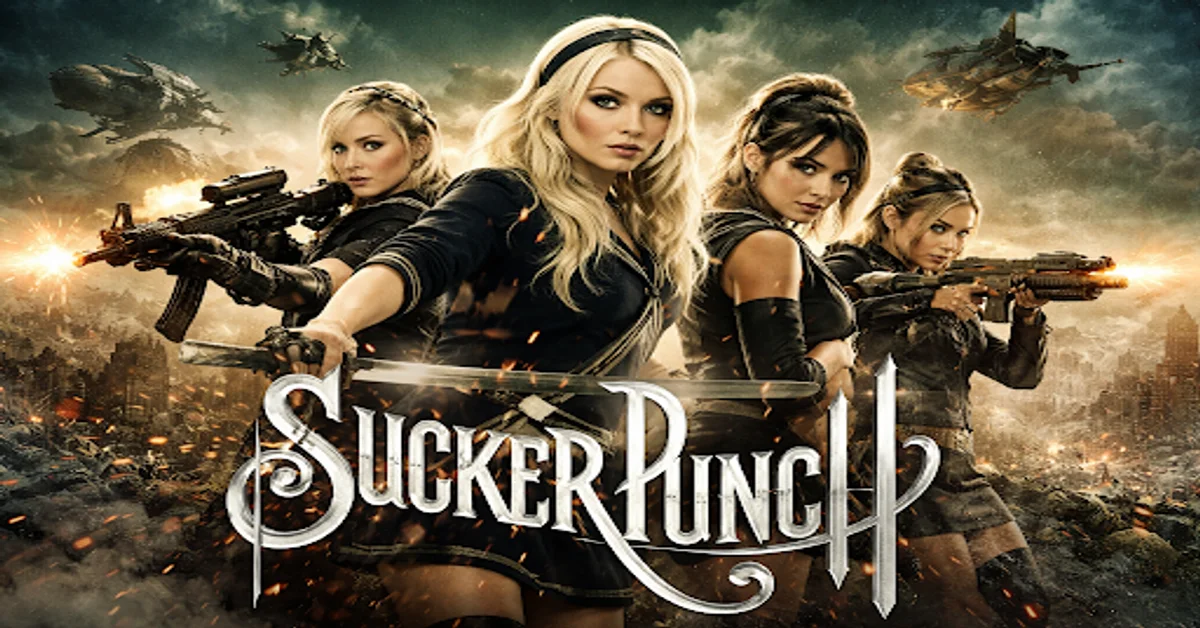
Suckernpunch is a daring, visually charged exploration of trauma, imagination, and resilience. It blends fantasy action set pieces with a multi-layered narrative that rewards repeated viewing. The film’s ambition is clear from the first frame: it wants to surprise and move viewers while delivering unforgettable imagery.
Released in March 2011, Suckernpunch represents a filmmaker’s choice to favor striking visual storytelling while tackling heavy emotional themes. The director’s bold choices push the movie into territory that splits audiences — some celebrate its style-as-substance approach, others wish for a more conventional narrative.
RELATED: Crackstube: Risks, Legality, and Safe Streaming Tips
Zack Snyder
Main cast highlights
Star ensemble and performances
The movie’s emotional core comes from a committed ensemble that brings humanity to even the wildest fantasy sequences. Performances ground the spectacle, keeping the audience invested in the characters’ hopes and fears even when the visuals soar into the surreal.
Supporting ensemble cohesion
The cast balances action-ready choreography with intimate moments, making the film both kinetic and touching. Their chemistry helps the movie land its messages about solidarity and survival.
Plot Summary of Suckernpunch
Setting: asylum and fantasy layers
The story moves between an institutional setting and multiple imagined worlds. That shifting playground allows the film to alternate tones — bleak realism, stylized brothel drama, and high-octane fantasy battles. Each layer has rules and stakes that reflect the characters’ inner lives.
Babydoll’s journey
At the center is a young woman who constructs elaborate fantasies to reclaim agency and cope with trauma. Her arc is a study in courage: each imagined quest is both a literal mission in the film’s dreamscapes and a metaphor for emotional survival.
Key conflicts and resolutions
Conflicts are both external (antagonists in the asylum or brothel worlds) and internal (doubt, helplessness, the need to escape). Resolutions emphasize choice, solidarity, and the power of imagination to reshape one’s experience — even if escape remains layered and ambiguous.
Main Characters and Cast
Emily Browning — Babydoll
Babydoll anchors the film emotionally. Her delicate vulnerability and fierce determination create a deep, sympathetic center amid the visual chaos. Through her eyes, viewers experience each level of the narrative and feel the stakes of every fantasy quest.
Abbie Cornish — Sweet Pea
As a loyal and strategic companion, Sweet Pea embodies quiet strength. Her presence highlights themes of trust and mutual protection among the women, reinforcing the film’s through-line of camaraderie.
Vanessa Hudgens — Blondie
Blondie brings a complex mix of bravado and vulnerability. Her role shifts between spectacle and sincerity, showing how armor — literal or emotional — can both protect and expose a person.
Jena Malone — Rocket
Rocket’s grit provides momentum during crucial sequences. She exemplifies practical courage and becomes a vital piece of the emotional machine that powers the group’s endeavors.
Supporting characters
A cast of supporting figures rounds out the narrative, giving shape to the oppressive world the protagonists face while providing catalysts for the fantasy missions. These roles help the film balance intimate character beats with large-scale action.
Visual Style and Cinematic Aesthetics
Snyder’s signature visuals
The film is unmistakable in its look: bold composition, slow-motion flourishes, and highly stylized framing. Every shot feels curated to provoke a visceral reaction; the director’s visual grammar is on full display and often serves as the primary storytelling device.
Fantasy battle sequences (dragons, samurai, robots)
Action scenes mix historical motifs (samurai) and imaginative beasts (dragons) with mechanized enemies (robots), creating hybrid set pieces that feel like cinematic dreams come to life. These sequences showcase choreography and design working together to build a dream logic unique to the film.
Use of color, camera angles, and CGI
Color palettes and camera movement are used deliberately to signal emotional shifts and to distinguish layers of reality. CGI and practical effects are blended to heighten immersion, emphasizing style while serving the story’s emotional beats.
Symbolism and Hidden Meanings
Four key items: map, fire, knife, key
The four objects the protagonist seeks represent practical tools for escape and symbolic milestones for psychological growth. They operate as quest items in the fantasy layers while also standing for survival skills, knowledge, and the willingness to act.
Asylum as a metaphor for control
The institutional setting functions as a metaphor for systemic control and the loss of autonomy. It frames the fantasy sequences as acts of resistance rather than mere entertainment — imagination becomes strategy.
Brothel and fantasy layers as coping mechanisms
The brothel and subsequent fantasy realms show how imagination can be both refuge and battleground. These layers are colored by the characters’ pasts and needs, turning escapism into an adaptive, creative response to trauma.
Themes in Suckernpunch
Escapism and trauma
At its heart, the film explores how people use stories to survive. Escapism here is not trivial; it’s an active form of coping that allows characters to rehearse empowerment and difficult choices.
Female empowerment and agency
The story centers on women reclaiming agency in constrained circumstances. Whether viewers interpret the film as celebratory or critical of its own imagery, the narrative consistently foregrounds female initiative and mutual support.
Reality vs. imagination
The film plays with the porous boundary between what’s real and what’s invented. That tension is where much of the emotional work happens — the characters must decide what to accept and what to transform.
Survival and resilience
Resilience emerges as the most optimistic through-line: even within oppressive spaces, the characters find ways to persist, collaborate, and hope.
Music and Soundtrack Impact
Sweet Dreams (Are Made of This) — Reimagined moments
The soundtrack repurposes well-known songs into haunting, scene-specific arrangements. These reinterpretations add emotional depth and sometimes ironic commentary to the on-screen action.
Emily Browning’s performances
Vocally contributing to the soundtrack, the lead performer’s renditions create intimacy and aural cohesion between fantasy and feeling. Her singing reinforces the personal stakes of the story and helps scenes linger.
Music as a storytelling device
Songs are not just accompaniment — they structure pacing, transform tone, and bind the audience to the characters’ inner worlds, making music a crucial narrative tool.
Feminist Critiques and Gender Debates
Exploitative or empowering?
Debate around the film’s imagery continues: some viewers see a critique of sexualization and objectification, while others see the depiction as problematic. The ambiguity is intentional for many fans — the film invites discussion rather than offering tidy answers.
Costumes, stylized fights, and societal commentary
Costuming and choreography walk a line between spectacle and commentary. The stylization aims to reflect how the characters are forced to perform in oppressive contexts, turning visual excess into critical reflection.
Ongoing debates and interpretations
Because the film refuses to simplify, it remains a rich subject for feminist film debate and academic analysis. Those discussions have helped the film persist in cultural conversations.
Reception and Cultural Impact
Critical reviews (Rotten Tomatoes, Metacritic)
At release, major aggregators gave mixed-to-negative scores, focusing on narrative coherence and the film’s provocative imagery. Over time, however, critics and scholars have revisited its ambitions, acknowledging how its risks contribute to its distinct voice.
Audience reactions and cult following
Audience response has been polarized but passionate. A devoted fanbase treats the film as a misunderstood experiment, celebrating both its visual audacity and emotional sincerity.
Controversies and debates
Controversy has kept the movie in the cultural conversation: conversations about representation, spectacle, and the balance between style and substance continue to draw new viewers and rekindle debate.
Director’s Vision and Potential Director’s Cut
Zack Snyder’s intended narrative
The filmmaker’s stated intention was to craft a layered mythos where fantasy becomes a means of emotional survival. Fans and analysts point to visual motifs and recurring symbolism as evidence of a tightly held creative vision.
Differences between the theatrical and rumored director’s cut
Talk of a director’s cut has fueled speculation: supporters hope it will clarify ambiguous beats and restore scenes that deepen emotional context. Whether released or not, the discussion has energized the movie’s fan community.
Fan expectations
Fans expect a director’s cut to sharpen themes and possibly answer lingering questions, but many also value the film’s ambiguity and the interpretive work that ambiguity allows.
Legacy of Suckernpunch
Influence on fantasy action cinema
The film’s willingness to merge high-concept fantasy with pop-culture touches has influenced filmmakers interested in hybrid genre works. Its aesthetics and narrative risks show that mainstream films can still experiment boldly.
Continued discussions in pop culture
Sustained interest in the movie — from think pieces to fan art — keeps it relevant. It’s often cited in conversations about visual-heavy storytelling and films that trade tidy resolutions for texture and mood.
Lessons for filmmakers and audiences
For creators, the film is a lesson in the value of artistic risk. For audiences, it’s an invitation to look beyond surface spectacle and engage with layered meaning.
Summary
Suckernpunch is a memorable, risk-taking entry in the fantasy action space. Its layered narrative, striking visuals, and provocative themes offer a distinctive cinematic experience that invites repeated viewing and deep conversation.
Its refusal to play safe — pairing gorgeous imagery with hard emotional questions — guarantees that it won’t be forgotten. Viewers who value cinematic ambition and interpretive challenge will continue to find value in this film’s bold heart.
RELATED: Gooics: Streamline Your Digital Workflow Today
Frequently Asked Questions
What is the meaning of the title?
“Suckernpunch” evokes the idea of an unexpected emotional hit. The film mirrors that sensation through sudden tonal shifts and visual shocks that aim to unsettle and engage viewers.
Is Suckernpunch feminist or exploitative?
Interpretations vary. The film intentionally complicates its imagery to spark debate — many see it as a critique of exploitation, while others view some visual decisions as problematic. Both perspectives contribute to its cultural richness.
Why does it remain relevant today?
Because it dares to be different: bold visuals, layered themes, and continued debates about meaning have kept the film alive in conversations about cinema and culture.
Is there a director’s cut?
Rumors and director interviews have hinted at alternate versions, but a widely available director’s cut has not been officially released as of the film’s long-term reception.