Last Updated on March 15, 2026 by Admin
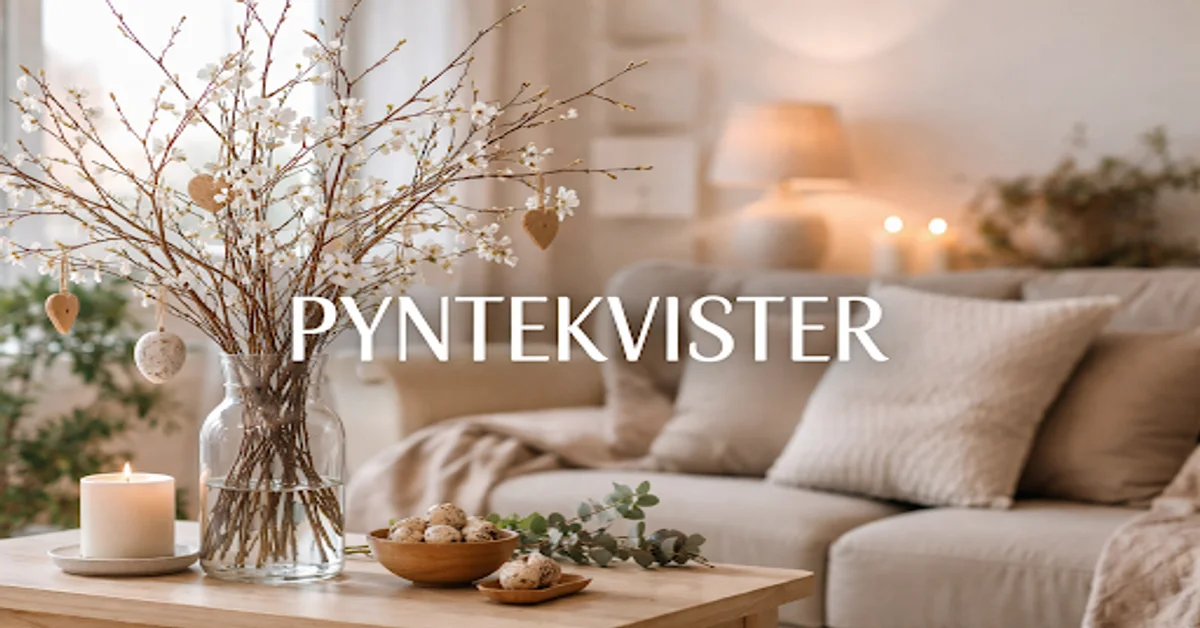
Pyntekvister — a warm, melodic word borrowed from Scandinavian languages — literally means “decorative twigs.” In practice, it refers to thoughtfully selected branches, twigs, and leafless stems used as intentional décor elements in homes. These natural accents are selected for silhouette, texture, and the quiet elegance they bring to a room. As a concept, pyntekvister sits at the intersection of rustic authenticity and refined minimalism.
Pyntekvister grows naturally from the wider tradition of Scandinavian design — a movement emphasizing simplicity, natural materials, and practical beauty. In Nordic homes, using materials gathered from nature is a long-held custom: branches, birch bark, and dried flowers were historically woven into seasonal rituals and household decoration. Today, pyntekvister carries that lineage forward as a modern expression of hygge — the Danish/Norwegian concept of coziness and contentment — and a visible step toward sustainable décor.
This minimalist trend resonates because it’s both timeless and relevant: it supports biophilic design by reconnecting people with nature indoors, fits clean modern aesthetics, and is budget-friendly. Whether placed in a tall vase to punctuate a living room or braided into seasonal centerpieces, pyntekvister captures attention without shouting — a subtle, powerful way to refresh interiors.
RELATED: Primerem: Meaning and Role in Technology
The Scandinavian Philosophy Behind Pyntekvister
Minimalism and simplicity in Nordic homes
At the heart of Nordic interiors is minimalist décor — a preference for clean lines, uncluttered surfaces, and functional beauty. Pyntekvister fits effortlessly into this philosophy because twigs serve as sculptural accents rather than noisy ornaments. A single birch branch in a slender vase can communicate more style than a crowded mantel of trinkets; the restraint itself becomes the statement.
The concept of Hygge and natural aesthetics
Hygge is about comfort, warmth, and a calming atmosphere. Pyntekvister helps cultivate hygge by adding organic textures that soften a room and create visual warmth. Twigs paired with candlelight, soft textiles, or muted tones enhance the cozy ambiance hygge celebrates — simple gestures that invite relaxation and togetherness.
Biophilic design: connecting with nature indoors
Biophilic design is an evidence-based approach that shows how exposure to natural elements improves wellbeing and reduces stress. Decorative branches are a direct, low-cost biophilic strategy: they introduce natural forms and seasonal rhythms into indoor spaces, gently reminding inhabitants of the outdoors while improving air and visual quality (when combined with plants, scent, or natural materials).
Types of Branches Used for Pyntekvister
Birch, willow, hazel, cherry blossom, pine, and eucalyptus
Different branches offer different personalities. Birch branch décor brings pale, elegant lines perfect for minimalist interiors. Willow twigs décor feels fluid and graceful — ideal when you want movement. Hazel branch art provides sculptural, twisting forms for statement pieces. Cherry blossom twigs carry seasonal romance in spring. Pine or evergreen branches create classic winter and holiday ambiance, while eucalyptus introduces an aromatic, spa-like note.
Choosing the right branch for different décor styles
Match the branch to the mood: birch and eucalyptus suit minimal, modern, or Japandi interiors where subtle texture is required. Willow and hazel work well in eclectic or rustic schemes that welcome organic drama. Pine or evergreen are natural choices for seasonal displays. Consider shape, color, and scale of the branch relative to the room — a tall, thin branch will elongate a low-ceiling space, while short, sculptural twigs suit shelves.
Fresh vs dried twigs: advantages and usage tips
Fresh branches can provide greenery and scent (especially eucalyptus), but may require water and occasional replacement. Dried twigs are low maintenance, long-lasting, and ideal for permanent compositions. If drying your own, let branches air-dry in a cool, ventilated space to prevent mold. Seal delicate bark with a matte varnish if you want durability without shine.
Seasonal Pyntekvister Decorating Ideas
Winter and holiday arrangements
Pyntekvister shine in winter: combine pine or evergreen branches with bare birch twigs, fairy lights, and simple ornaments for a refined holiday look. A cluster of painted white branches in a ceramic urn can mimic snowy trees indoors, creating a serene, modern holiday vignette that avoids clutter while evoking seasonal charm.
Spring and Easter-inspired designs
Bring in cherry blossom twigs or delicate willow catkins for springtime renewal. Arrange them in a clear vase with pastel eggs nestled at the base or tie a linen ribbon around the stems for Easter. Soft blooms and light fabrics complement the airy optimism of spring pyntekvister arrangements.
Summer and autumn décor inspirations
Summer calls for airy, leafless twigs mixed with dried flowers and seagrass for a coastal, sunlit feel. In autumn, use hazel or twisted branches with dried grasses, warm-hued leaves, and textural seed pods — a rustic, grounded palette that celebrates harvest tones.
DIY seasonal arrangements for all-year appeal
Rotate your pyntekvister display each season: swap lights and ornaments in winter for blossoms in spring, switch to dried grasses in summer, then to seed pods and warm tones in fall. This small rotation keeps interiors fresh and reinforces a home’s seasonal rhythms.
Styling and Arranging Pyntekvister
Centerpieces for dining tables and living rooms
A low, horizontal cluster of small twigs across a dining table provides sculptural interest without obstructing sightlines. For living rooms, a single dramatic branch in a tall vase next to a sofa anchors the space. Think in silhouettes — pyntekvister are as much about negative space as they are about form.
Wall and shelf décor using decorative twigs
Mount thin branches horizontally to create natural shelves or lean asymmetric twigs on a console as living wall art. On shelves, mix short segments with books and ceramic pieces to create balance. Twigs can also be transformed into minimalist frames or mobile-like installations for a bespoke artistic touch.
Mixing with other natural elements (flowers, leaves, moss)
Pyntekvister coordinate beautifully with fresh flowers, dried blooms, moss, and stones. Combine twigs with a single statement bloom to keep the look refined, or cluster with natural objects like driftwood and pebbles for layered texture. The key is restraint: let the branch remain the focal point.
Incorporating lighting and ornaments
Tiny LED fairy lights wrapped minimally along a branch create soft ambient glow — perfect for hygge-filled evenings. Seasonal ornaments can be delicately hung from twigs (think lightweight wooden or paper pieces) to add personality without overpowering the natural form.
DIY Projects and Creative Ideas
Step-by-step guide to creating your own pyntekvister arrangements
- Gather branches (safely and ethically) and choose a vessel that matches the branch height.
- Clean and, if desired, sand or seal branches. For dried displays, let them cure for a few weeks.
- Arrange by height: place the tallest twig at the back and shorter branches forward. Rotate the vessel to check balance from all sides.
- Add accents — moss, pebbles, or fairy lights — and secure with floral foam or stones if needed.
Budget-friendly décor hacks
Use thrifted vases, recycle wine bottles, or repurpose tall jars. Paint the base of twigs with white or metallic paint for an upscale look on a small budget. Use foraged branches combined with inexpensive accents for high-impact styling without high cost.
Combining pyntekvister with Scandinavian minimalism
Keep palettes neutral and avoid clutter. A single twig in a matte ceramic vase on a clean console table can deliver the Scandi aesthetic more powerfully than an elaborate arrangement. Embrace negative space and calm visual rhythm.
Unique art and sculpture ideas using twigs
Create twig mobiles, twig chandeliers (using thin, lightweight branches), or wall-mounted twig murals. Combine with simple macramé or woven textile backdrops to craft textural, artistic focal points that are both DIY and gallery-worthy.
Benefits of Using Pyntekvister in Home Décor
Enhancing visual appeal and aesthetics
Pyntekvister offer sculptural elegance that complements many styles — from minimal to rustic. Their visual simplicity draws the eye and creates focal points without overwhelming a room, making them versatile and timeless additions to interior schemes.
Promoting mindfulness and connection with nature
Interacting with natural materials has measurable wellbeing benefits. The tactile and visual presence of twigs promotes a calmer atmosphere and encourages mindful living — simple, quiet elements that invite observation and rest.
Eco-friendly and sustainable home décor
Using foraged or responsibly sourced branches is low-impact and sustainable. Compared to mass-produced décor, pyntekvister prioritizes local materials and reusability, aligning with modern values around sustainable décor and reduced consumption.
Psychological and wellbeing benefits
By facilitating a connection to natural forms, pyntekvister can reduce stress and enhance mood through biophilic home design principles. The seasonal rotation of arrangements also helps occupants stay attuned to nature’s cycles, which many find grounding and restorative.
Common Mistakes and How to Avoid Them
Overcrowding or cluttering arrangements
A common error is adding too many elements. Pyntekvister depend on clarity. Avoid stuffing vases with competing ornaments; instead, choose one or two accent pieces that complement the branch’s shape.
Choosing the wrong type of branches
Scale matters — too-large branches can overwhelm small rooms, and overly delicate twigs can look lost in expansive spaces. Match branch scale to furniture and vessel size. Also, some branches shed or create a mess; choose species known for durability if you prefer low maintenance.
Seasonal misalignment and décor mistakes
Using wintery pine twigs in midsummer can feel out of place. Align branch types and accents with seasonal temperatures, textures, and colors — spring blossoms with pastels, autumn twigs with warm tones, and minimal whites for winter.
Tips to maintain natural twigs for longevity
Dust branches periodically with a soft brush. For dried twigs, keep them away from damp areas to prevent mold. Consider sealing delicate bark with a matte fixative to protect fragile surfaces without adding shine.
Pyntekvister vs Other Natural Décor Trends
Comparing with artificial branches and floral arrangements
Artificial branches are low-maintenance, but they lack the authenticity and subtle imperfections that give pyntekvister their charm. Real twigs offer tactile variety and the natural scent (especially eucalyptus) that faux items cannot replicate.
Advantages of using real twigs
Real branches are biodegradable, often freely sourced, and carry unique textures — each piece tells a story. They appeal to those who value authenticity and eco-conscious style, and they integrate seamlessly with Scandinavian home styling twigs and twig décor ideas.
Trends in Nordic-inspired interior design
The broader trend is toward sustainable, minimalist choices: Scandinavian décor twigs, soft natural fibers, muted palettes, and multifunctional furniture. Pyntekvister fit perfectly within this movement and are likely to remain popular as people favor slower, more intentional living.
Where to Source Pyntekvister
Local suppliers and garden centers
Garden centers often stock branches seasonally, or can reserve pruning cuttings. Local florists may also have interesting selections, especially for willow, birch, or cherry twigs.
Online stores and Scandinavian décor shops
Specialty online retailers and Scandinavian décor shops sell curated branches and ready-made arrangements. Look for sellers who highlight ethical sourcing and provide care instructions to ensure quality.
Ethical and sustainable sourcing tips
Forage responsibly: only collect from areas where pruning is permitted, avoid protected species, and always ask permission when touching private or managed land. Consider buying from local artisans who sustainably harvest branches and emphasize traceability.
Future Trends in Natural and Scandinavian Décor
Evolving styles with Scandinavian influences
Expect Japandi (a mix of Japanese and Scandinavian aesthetics) and wabi-sabi influences to grow — both celebrate simplicity and imperfect beauty, making pyntekvister an ideal accessory. Natural, raw finishes and muted palettes will continue to favor twig-based décor.
Emerging DIY trends and creative arrangements
Look for more sculptural uses of branches — twig lighting fixtures, suspended installations, and mixed-media wall art. DIY makers are experimenting with sustainability-minded adhesives and biodegradable fixatives to create gallery-quality installations.
Integrating pyntekvister in modern, minimalist, and Japandi décor
Pyntekvister adapt brilliantly to minimalism and Japandi because they introduce organic warmth to otherwise austere spaces. Paired with muted wood tones and tactile linens, they create calm, curated interiors that feel both modern and timeless.
RELATED: Eschopper: The Future of Urban Electric Rides
Frequently Asked Questions
What are pyntekvister and how do you pronounce it?
Pyntekvister (PIN-teh-kvis-ter) literally means “decorative twigs” in Scandinavian languages. It refers to natural branches used as décor.
Are pyntekvister suitable for small apartments?
Yes. Choose slim, single stems or short twig arrangements to maintain visual balance without overcrowding.
How long do dried twig arrangements last?
Properly dried and cared-for twigs can last years; keep them dry and dust-free, and consider sealing fragile bark to prevent shedding.
Can I use real branches with fairy lights?
Absolutely. Lightweight LED fairy lights work well — wrap them gently and avoid heavy ornaments that strain the twig.
Are there health concerns with foraging branches?
Forage responsibly. Avoid branches treated with pesticides or from potentially harmful plants. If allergies are a concern, avoid fragrant branches like eucalyptus.
Summary
Pyntekvister are simple but transformative: a single twig can introduce texture, silhouette, and seasonality into any room. Rooted in Scandinavian design principles and aligned with biophilic design, they offer a sustainable, low-cost way to elevate interiors and cultivate hygge.
Try rotating branches by season, mix them with natural accents, and embrace their imperfections. Experimentation leads to personal style — use pyntekvister to tell your home’s story in a quiet, elegant voice.
As the world leans into mindful living and sustainable choices, pyntekvister stand out as both aesthetically pleasing and environmentally responsible. They’re proof that beauty doesn’t require excess — and that nature, thoughtfully presented, is one of the most powerful design tools we have.