Last Updated on March 25, 2026 by Admin
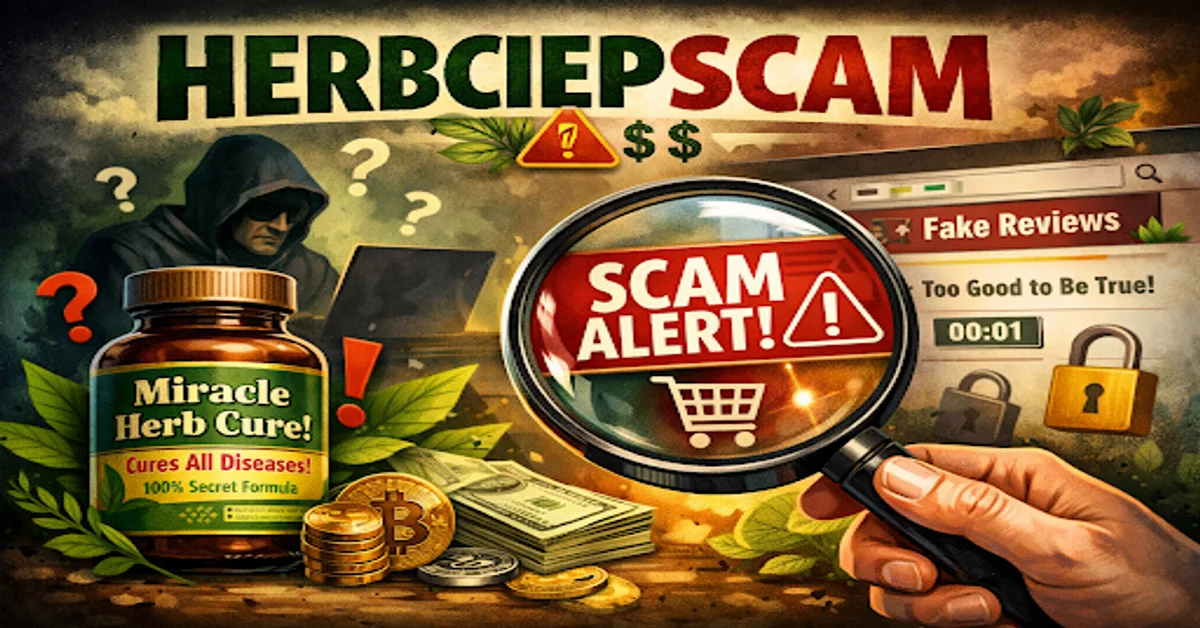
Herbciepscam is a community search phrase used when people suspect an herbal supplement or website may be fraudulent. It’s a catch-all term for user-driven investigations into product authenticity and seller trustworthiness. Online shopping for herbal supplements is convenient and empowering — but a little caution goes a long way. The term Herbciepscam has emerged because shoppers sometimes sense something off about a product or site and search for reassurance. This guide explains what the term means, why people search for it, and how smart research prevents bad outcomes.
Researching online supplement websites matters because your health and money are both at stake. A reputable seller shares clear ingredient lists, contact details, and secure checkout. When those items are missing or suspicious, curiosity about “Herbciepscam” is a positive first step — it shows consumers are careful and willing to protect themselves.
RELATED: EDFVSDRV: Meaning, Risks & Safe Removal
What Is Herbciepscam?
Herbciepscam is not a formal brand or medical term. Instead, it’s a search phrase people use when they suspect a dietary supplement store or product might be fraudulent. The phrase bundles the product name or brand with the word “scam” so that search engines and forums return consumer reports, reviews, and warnings from others.
The term gained traction because many online supplement offerings mimic legitimate marketing but lack transparent business or safety practices. When shoppers notice irregularities — suspiciously low prices, unclear labels, or copy-pasted testimonials — they start searching “Herbciepscam” to see if others have reported similar issues. In online herbal supplement discussions, this search behavior is a quick, communal way to verify trustworthiness.
Why Consumers Are Concerned About Herbciepscam
Consumers commonly notice suspicious websites with oddly low prices or promo tactics that feel pushy. Too-good-to-be-true discounts and vague product descriptions often spark an instinctive “is this real?” reaction, which leads to searches like “Herbciepscam review” or “Herbciepscam complaints.”
Other triggers include delayed orders, unexpected subscription charges, and hard-to-find refunds. These practical problems damage trust and encourage shoppers to look for “Herbciepscam consumer reports” before buying again. The concern is not paranoia — it’s prudent verification.
The Growing Market for Herbal Supplements
The herbal supplement industry has grown rapidly as more people look for natural health options. Online sales have made discovery fast, but they have also made it easier for less-scrupulous sellers to reach buyers. While many companies operate ethically, the market’s expansion increases the chance of encountering low-quality or deceptive offerings.
Regulation and oversight vary by region, and digital marketplaces evolve faster than rules. This regulatory gap is why searching for terms like “Herbciepscam online store review” is common: consumers are adapting by policing the marketplace themselves and sharing what they learn.
Common Warning Signs Linked to Herbciepscam
Unrealistic Health Claims
If a product promises instant cures for multiple serious conditions, treat the claim as a red flag. Legitimate supplements rarely promise miraculous results; they may support wellness but cannot replace medical care. Overstated benefits are hallmark tactics used in many online supplement scams.
Companies that rely on dramatic before-and-after imagery without clinical references should be scrutinized. When marketing outpaces evidence, consumers should step back and search “Herbciepscam herbal supplement scam” to see if others flagged similar claims.
Fake or Repetitive Customer Reviews
Mass-produced or nearly identical testimonials often indicate fake reviews. Real feedback is varied, includes specifics, and sometimes mentions small negatives. If reviews lack detail or appear copied, that’s a sign to investigate further.
Look for independent reviews outside the product page — forums, social platforms, and consumer watchdogs often reveal authentic customer experiences and repeat problems.
Lack of Company Information
A legitimate business lists a registered company name, physical address, and reliable customer support. Missing or vague contact details — or an address that points to a random residence — suggest caution. Always search the company name and address together to validate their legitimacy.
Companies serious about consumer safety also publish return policies and manufacturing details. Lack of transparency often appears in “Herbciepscam website review” results.
Suspicious Payment Methods
If a site asks for crypto-only payments, prepaid gift card numbers, or direct bank transfers, pause. Secure e-commerce stores offer conventional options (credit/debit cards, PayPal) and use encrypted checkouts. Unusual payment requests are classic scam signals and increase the risk of fraud.
Poor Website Security Indicators
Check for secure site markers such as “https://” and a padlock icon in the address bar. Also verify privacy policy pages, refund terms, and clear checkout flows. Missing security signals and clunky checkout systems should prompt deeper “Herbciepscam scam analysis.”
Marketing Tactics That Trigger Herbciepscam Searches
Many websites use urgency-based marketing to accelerate purchases: countdown timers, “only X left” notices, and limited-time deals. While sometimes genuine, these tactics often serve to override due diligence and lead to impulsive buys.
Influencer endorsements and affiliate marketing further complicate the picture. Influencers may promote products without fully vetting them; this can falsely legitimize a questionable product. Emotional storytelling and dramatic testimonials create trust quickly — but they are not substitutes for scientific evidence. Recognizing these marketing tactics helps you pause, research, and avoid falling for manipulative promotions.
How to Verify an Online Herbal Supplement Brand
Check Company Registration Details
Search the seller’s company name and address. Registered companies typically appear in local business registries, and real offices can be cross-checked via maps and reviews. Verified company data builds confidence and reduces the chance you’re dealing with a fly-by-night operation.
Analyze Ingredient Transparency
A trustworthy product lists active ingredients, dosage amounts, and potential allergens. Labels should be specific, and the website should clearly explain how the product works. If ingredient information is vague or missing, that’s a red flag for product authenticity.
Review Independent Customer Feedback
Seek reviews on third-party sites and forums rather than relying solely on the seller’s page. Independent platforms are likelier to contain honest, mixed opinions that reveal recurring issues like non-delivery or hidden subscriptions.
Examine Website Security and Payment Options
Secure websites use encryption, show clear refund policies, and accept mainstream payment methods with buyer protections. Confirm the presence of HTTPS and look for established e-commerce trust badges. If checkout feels risky, do not enter payment details.
Health Risks of Fake Herbal Supplements
Fake or poor-quality supplements can contain contaminants, undisclosed pharmaceutical ingredients, or incorrect dosages. These problems can cause allergic reactions, drug interactions, or ineffective treatment — impacting both safety and outcomes.
Regulatory bodies emphasize testing and truth-in-advertising. Organizations such as the Food and Drug Administration and the World Health Organization highlight the importance of product safety, accurate labeling, and manufacturer accountability. When a product lacks transparency about manufacturing and testing, avoid it.
Tips to Avoid Herbciepscam-Related Risks
Start by researching product claims and ingredient lists. Look for brands with verifiable manufacturing details and third-party testing. Buying from established retailers or directly from recognized manufacturers reduces risk.
Use secure payment methods that offer dispute resolution, and keep receipts and screenshots. Avoid offers that demand immediate payment without clear terms. Finally, trust your instincts: if something feels off, pause and look for “Herbciepscam product authenticity” discussions or reviews.
What to Do If You Suspect Herbciepscam
If you think you encountered a scam, document everything: order confirmations, screenshots, and communications. These records are essential for reporting and disputes. Contact the seller first to allow resolution — often problems result from honest mistakes.
If the company fails to respond or the answer is unsatisfactory, escalate to your payment provider and consider reporting the issue to consumer protection groups. You can report suspicious activity to agencies such as the Federal Trade Commission or file complaints with the Better Business Bureau. For product safety concerns, you can consult resources like the National Institutes of Health or seek guidance from Consumer Reports.
The Importance of Consumer Awareness in Online Health Shopping
Informed buyers reduce harm and raise standards. Consumers who verify ingredients, confirm testing, and report bad actors create pressure for higher industry transparency. The digital marketplace is dynamic; consumer vigilance—paired with clear, accurate reporting—shapes a safer environment for everyone.
Learning to read labels, check third-party reviews, and verify seller credentials transforms online shopping from risky to rewarding. The more buyers demand accountability, the more trustworthy brands rise to the top.
Author Expertise, Transparency & E-A-T
This article was prepared by health and consumer-protection researchers who synthesized public guidance and consensus from regulatory agencies and testing organizations. The goal: help readers investigate “Herbciepscam” concerns with clarity and confidence. We cite principles from recognized institutions and emphasize practical steps you can perform today.
We aim for factual accuracy, and we encourage readers to consult licensed healthcare providers for personalized medical advice. Our recommendations prioritize safety and verifiable information over hype.
RELATED: 18552311590: Scam Or Legit Toll Free Call?
Summary
Herbciepscam searches represent a healthy consumer instinct — a willingness to research before buying. By following clear verification steps, using secure payment methods, and relying on reputable sources, you protect both your health and wallet. Keep learning, remain curious, and remember: careful shopping helps the entire market become more honest and safe.
Frequently Asked Questions
Is Herbciepscam a real company or just a search term?
It’s typically just a search term describing suspected scams or questionable sellers. If you see it attached to a specific company, investigate that seller directly.
How can I check if a supplement website is legitimate?
Verify company registration and physical address, read ingredient labels closely, look for third-party testing, confirm secure payment, and search for independent reviews.
What are the common signs of herbal supplement scams?
Unrealistic claims, fake-sounding testimonials, missing company info, unusual payment requests, and poor website security are common red flags.
Are all online herbal supplement stores unsafe?
No. Many operate ethically. The key is to verify transparency and safety before purchasing.