Last Updated on March 25, 2026 by Admin
Gout is a painful, often sudden form of inflammatory arthritis that can upend everyday life. Attacks commonly hit the big toe but can affect other joints too, bringing intense pain, swelling, and redness. Managing gout well means combining smart lifestyle choices with therapies that reduce inflammation and control uric acid levels.
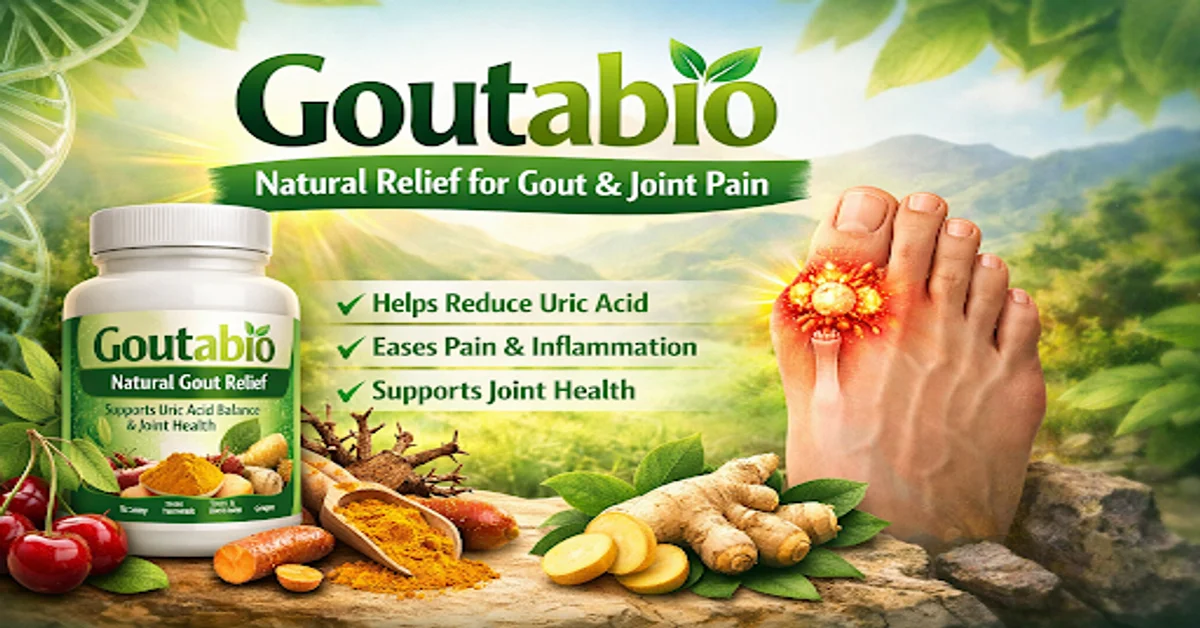
Enter Goutabio—marketed as a natural, plant-based dietary supplement designed to support joint health, ease inflammation, and help with uric acid management. Its formula typically highlights ingredients like cherry extract, turmeric (curcumin), devil’s claw root, and ginger—compounds known for anti-inflammatory or joint-supporting properties. The idea is attractive: a nutraceutical that complements diet and medication while offering a gentler side-effect profile than some pharmaceuticals.
Why are natural alternatives gaining popularity? Many people seek options that align with holistic health philosophies, prefer plant-based compounds, or want supportive care alongside standard medical treatment. When chosen carefully and used under healthcare guidance, supplements can be part of a broader, evidence-informed gout strategy.
RELATED: Wollmatten: Eco-Friendly Wool Insulation for Homes
Understanding Gout
What is gout, and how does it affect the body
Gout is an inflammatory arthritis that occurs when excess uric acid in the blood crystallizes and deposits in joints. These urate crystals trigger abrupt, severe inflammation that causes the hallmark pain and swelling of a gout attack. The condition is episodic—flares come and go—but repeated attacks can damage joints and reduce quality of life.
Causes of gout: uric acid buildup, diet, and lifestyle
Hyperuricemia (chronically high uric acid) happens when the body makes too much uric acid or fails to clear enough through the kidneys. Diets high in purines (found in red meat, organ meats, and certain seafood), excessive alcohol, sugary drinks, obesity, and some medications all increase risk. Genetics and kidney function also play major roles.
Common symptoms and flare-up triggers
Typical signs include sudden joint pain, warmth, redness, and swelling—usually peaking within 24 hours. Common triggers include heavy alcohol use, high-purine meals, dehydration, sudden weight changes, and infections or injuries. Identifying triggers is a key step in prevention.
Long-term risks of unmanaged gout
Left unmanaged, recurrent gout can cause chronic joint damage, reduced mobility, and increased risk of kidney stones or kidney disease. Preventive care—lifestyle modification plus medical management when needed—helps reduce these long-term complications.
What is Goutabio?
Overview of the Goutabio supplement
Goutabio is presented as a natural anti-inflammatory supplement targeting gout symptoms. As a nutraceutical, it blends botanical extracts (e.g., cherry extract, turmeric, ginger, devil’s claw) that are commonly used in joint-support products. Packaging and marketing usually emphasize “natural gout relief,” joint pain support, and uric acid balance.
Who is it intended for
Goutabio is aimed at adults who experience gout flares or chronic joint discomfort and who prefer plant-based, supportive remedies in addition to — or sometimes before — prescription medication. It’s often positioned for people with mild-to-moderate symptoms seeking complementary care rather than replacement of physician-prescribed drugs.
How it positions itself as a natural alternative
The supplement leverages ingredients with existing research showing anti-inflammatory or antioxidant activity. The messaging highlights synergy between ingredients and positions Goutabio as part of a holistic gout management plan—alongside diet, hydration, and medical supervision.
Key Ingredients of Goutabio
Cherry extract and its role in uric acid reduction
Cherry extract—especially tart cherry—contains anthocyanins, antioxidant pigments linked to reduced inflammation. Several observational studies and small trials suggest cherries or tart cherry products may lower gout flare frequency and reduce inflammatory markers. Reviews conclude cherries show promise, but large randomized controlled trials are still limited. Thus, cherries are a reasonable complementary option but not a standalone cure.
Turmeric (curcumin) for anti-inflammatory support
Turmeric contains curcumin, a potent anti-inflammatory compound with broad research support for reducing inflammatory mediators. Clinical trials in various arthritis types show curcumin can lower pain and stiffness, although bioavailability (absorption) is a common concern—combining curcumin with piperine (black pepper) or using specialized extracts can improve results. Curcumin may help blunt inflammation during flares or support long-term joint comfort.
Devil’s claw root for joint health and mobility
Devil’s claw (Harpagophytum) is a traditional herbal remedy used for musculoskeletal pain. Some clinical studies indicate benefit for lower back pain or osteoarthritis-related discomfort. Its role in gout is less researched specifically, but its anti-pain and mobility benefits make it a logical inclusion in joint formulas aimed at symptom relief.
Ginger for overall wellness and inflammation relief
Ginger has long-recognized anti-inflammatory properties; controlled trials show modest benefits for joint pain and inflammatory markers. Ginger supports general wellness and can complement other anti-inflammatory botanicals to reduce symptom intensity during flares.
How these ingredients work together synergistically
Taken together, cherry anthocyanins, curcumin, devil’s claw, and ginger combine antioxidant and anti-inflammatory pathways—reducing inflammatory signaling, easing pain, and supporting joint mobility. While synergy makes theoretical sense, the strength of benefit depends on dosage, formulation, and individual response.
Potential Benefits of Goutabio
Relief from pain and inflammation
By targeting inflammation, Goutabio’s formula may ease pain during flares and reduce the severity of symptoms. Many users of similar botanical blends report better mobility, less swelling, and improved comfort. Clinical literature supports anti-inflammatory potential for several key ingredients.
Support for preventing future flare-ups
Some ingredients—especially cherries—have data suggesting lowered flare frequency in observational studies. While not a replacement for uric-acid-lowering medications where indicated, a consistent supplement may be a helpful adjunct for people aiming to reduce attack frequency alongside diet and medical care.
Promotion of overall joint health
Beyond gout attacks, the combined anti-oxidant and anti-inflammatory actions of the ingredients support general joint health—reducing chronic inflammation, protecting tissues, and potentially improving long-term function.
Advantages of a natural approach over pharmaceuticals
Natural supplements can offer a gentler side-effect profile for some people and align with holistic health goals. For those reluctant to start strong medications or seeking additional support, a nutraceutical like Goutabio can be appealing—when it’s high-quality, appropriately dosed, and used under medical oversight.
Possible Side Effects and Drawbacks
Common side effects (allergic reactions, digestive discomfort)
Herbal supplements can cause digestive upset, heartburn, or allergic reactions in susceptible individuals. Turmeric in high doses may cause GI symptoms; devil’s claw can cause stomach discomfort for some users. Always check labels and stop use if adverse effects occur.
Variability in effectiveness between individuals
Not everyone responds the same way. Genetic factors, baseline uric acid levels, kidney function, and concurrent medications influence how much benefit a supplement may provide. Expect variability and watch for objective changes (flare frequency, pain scores).
Cost considerations
High-quality supplements can be expensive—especially formulas with standardized extracts and third-party testing. Consider cost-benefit: if the product meaningfully reduces flares or pain, it may be worth the price; if not, don’t spend money chasing unproven results.
Importance of combining with lifestyle changes
Supplements work best as part of a comprehensive plan. Relying solely on a capsule without reducing high-purine foods, limiting alcohol, managing weight, and staying hydrated will limit the supplement’s benefit. Clinical guidance consistently emphasizes lifestyle as foundational.
How to Use Goutabio Effectively
Recommended dosage and frequency
Follow manufacturer guidance on the product label for dosage. Because formulations vary, there’s no single universal dose. Look for standardized extracts (e.g., curcumin standardized to % curcuminoids) and evidence-based serving sizes. If in doubt, consult a pharmacist or clinician.
Tips for maximizing results
- Take curcumin with black pepper (piperine) or a bioavailable formulation to improve absorption.
- Use consistently—many botanical benefits accrue over weeks.
- Pair supplements with a low-purine diet, hydration, and weight management for the best outcomes.
- Combining Goutabio with diet and lifestyle modifications
Use Goutabio alongside proven strategies: limit red meat and organ meats, cut sugary drinks and excess alcohol, increase low-fat dairy and vegetables, and maintain a healthy weight through regular low-impact exercise. These steps reduce the uric acid burden and complement the supplement effects.
Lifestyle and Dietary Tips for Managing Gout
Foods to avoid: high-purine foods, red meat, seafood, alcohol
Avoid or limit organ meats, certain seafood (anchovies, sardines, shellfish), high quantities of red meat, and excess alcohol (especially beer). These foods increase purine intake and uric acid production.
Foods and habits that support uric acid reduction
Emphasize low-fat dairy, whole grains, fruits (including cherries), vegetables, and plant proteins. Vitamin C–rich foods and coffee modestly lower gout risk in some studies; hydration helps the kidneys clear uric acid.
Hydration, exercise, and stress management
Drink plenty of water, engage in regular low-impact exercise (walking, swimming), and manage stress—these actions aid kidney function, support weight control, and reduce flare triggers. Avoid crash diets, which can increase uric acid.
Using natural remedies alongside Goutabio
Fresh cherries or tart cherry juice, ginger tea, and omega-3 supplements are reasonable adjuncts. Always evaluate interactions and discuss chronic medication plans with a clinician.
Other Natural Alternatives for Gout Relief
Fresh cherries and tart cherry juice
Evidence shows cherries may reduce inflammatory markers and could lower flare frequency in some people. Use as part of an overall plan rather than relying on cherries alone.
Turmeric supplements or culinary use
Turmeric/curcumin can be taken as a spice in cooking or as a concentrated supplement; look for enhanced bioavailability forms for clinical effect.
Ginger tea and anti-inflammatory herbs
Ginger offers modest anti-inflammatory benefits and is safe in culinary amounts; herbal anti-inflammatory stacks (boswellia, white willow bark) appear in some joint formulas and may help with pain control.
Omega-3 fatty acids and fish oil
Omega-3s support joint health and reduce systemic inflammation; they are a reasonable complementary choice for overall joint support.
Herbal supplements like Boswellia or white willow bark
Boswellia (frankincense extract) and white willow bark have traditional uses and some clinical evidence for pain reduction in joint conditions; evaluate safety and interactions before use.
Who Should Consider Goutabio?
Individuals with mild to moderate gout symptoms
People with infrequent flares or those seeking additional, non-pharmaceutical support may find benefit from a thoughtfully formulated supplement combined with diet changes.
Those seeking natural, plant-based options
If you prefer botanicals and want to avoid or delay stronger medications (under physician guidance), Goutabio may fit your preferences—provided it’s used safely and realistically.
Cautions for people with kidney disease, diabetes, or medication interactions
If you have kidney disease, diabetes, or take prescription medicines (especially uric-acid-lowering drugs like allopurinol, blood thinners, or diabetes medications), consult your doctor before starting supplements. Some botanicals interact with drugs or affect lab results; clinician input is crucial for safety.
RELATED: Oronsuuts: Safe Ways to Stream Movies and TV Shows
Frequently Asked Questions
Does Goutabio really lower uric acid?
Goutabio’s ingredients (notably cherry extract) have been associated with lower flare frequency and modest uric acid effects in small studies, but no single supplement universally guarantees uric-acid normalization. Use it as a complementary strategy, not a standalone replacement for clinically indicated uric-acid-lowering therapy.
How soon does Goutabio work?
Individual response varies. Some people notice symptom relief within days to weeks for inflammation and pain; preventive effects on flare frequency may take weeks to months of consistent use.
Are there any side effects?
Possible side effects include gastrointestinal discomfort, allergic reactions, or interactions with medications. High doses of curcumin can cause GI upset in some people; always follow dosing instructions and consult a clinician.
Can it be combined with other medications?
Many supplements can interact with prescription drugs. Always check with your healthcare provider—especially if you take anticoagulants, uric-acid-lowering drugs, or medications metabolized by the liver.
What are the best alternatives if Goutabio isn’t effective?
Evidence-based alternatives include dietary changes, hydration, weight management, and prescription therapies (such as allopurinol or febuxostat) when clinically indicated. Complementary measures include cherries, curcumin with enhanced bioavailability, ginger, and omega-3s.
Summary
Goutabio is a thoughtfully composed herbal remedy that harnesses ingredients with promising anti-inflammatory and joint-support properties—most notably cherry extract and curcumin. For many people with gout, a high-quality supplement can reduce pain, support joint health, and possibly help prevent flare-ups when used consistently and in combination with proven lifestyle changes.
However, supplements are not a cure for hyperuricemia or a substitute for medical care when prescription therapy is required. Always consult a healthcare professional—especially if you have kidney disease, diabetes, or take other medications—and consider evidence-based resources such as Mayo Clinic and NHS for practical guidance.