Last Updated on March 17, 2026 by Admin
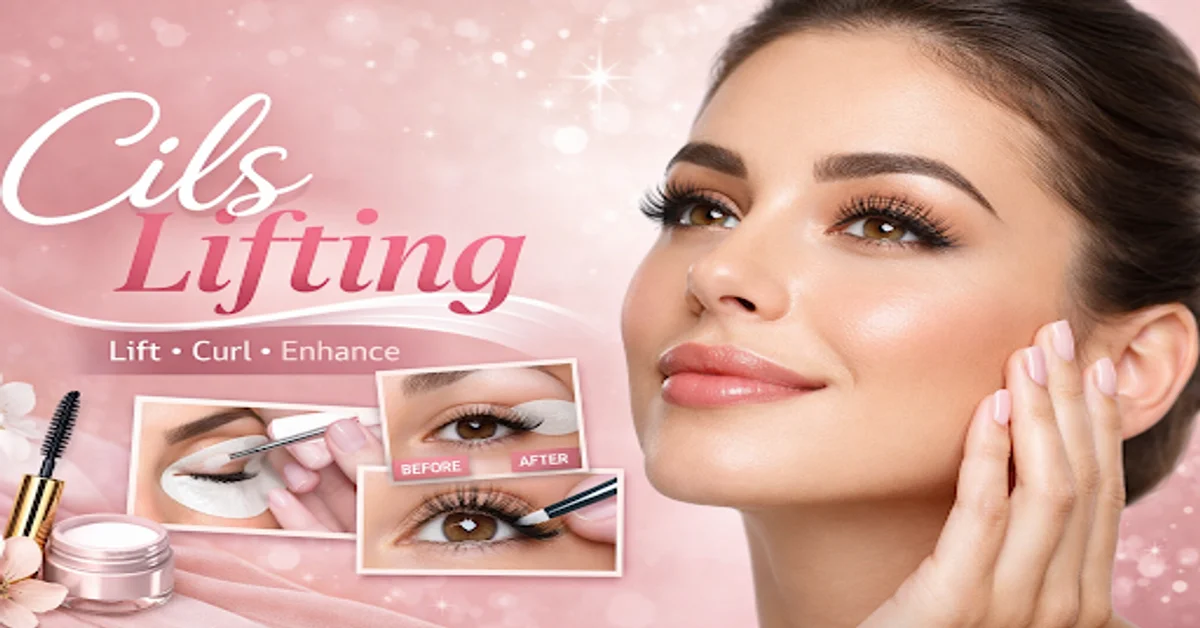
Cils lifting is a semi-permanent beauty treatment that gently reshapes and lifts natural eyelashes at the root to create a curled, open-eye look without extensions. The treatment enhances the lash line, making lashes appear longer and more visible—perfect for a low-maintenance natural makeup look.
Its surge in popularity is driven by consumers wanting a natural lash enhancement with minimal upkeep. Influencers, salon innovations, and an increased desire for time-saving beauty routines have all contributed to the Growing popularity of cils lifting—a modern solution for people who want dramatic-looking lashes without daily curling or frequent refills.
Modern beauty trends emphasize clean, natural looks—less heavy makeup, more polished features. Cils lifting fits perfectly into these trends: it’s non-invasive, fast (often 45–75 minutes), and pairs well with lash tinting or keratin lash lift treatments for a striking before-and-after change. Social media—Instagram and TikTok—has amplified this trend by showcasing dramatic eyelash lift before and after transformations.
Beauty professionals and consumers alike praise the procedure for delivering reliable, selfie-ready results that blend with other treatments such as eyebrow shaping or lash tinting. This makes cils lifting a staple in many modern beauty routines.
RELATED: Araachell: Meaning, Origins, and Digital Identity
Understanding Cils Lifting
Definition of Cils Lifting
Cils lifting is a chemical-mechanical procedure that lifts the natural lashes from the root using a shaping pad and a series of specially formulated solutions. The result is an upward curl that lasts for several weeks, emphasizing eye shape without adding extra weight or false lashes.
Unlike extensions that add synthetic fibers, cils lifting works with your natural hair. The technique can be combined with a lash lift serum, tinting, or a keratin lash lift to boost longevity and gloss.
How Cils Lifting Works
The process uses a silicone pad or rod placed on the eyelid to shape the lashes upward. Technicians apply a lifting solution to break the disulfide bonds of the lash hair, then a neutralizer to reform them in the curled position. Optionally, a keratin-infused solution can strengthen and nourish lashes during the service.
This chemical restructuring—performed correctly—creates a lasting curl that gently “remembers” the lifted shape until new lashes grow in. The technique is safe when performed by trained technicians using salon-grade products.
Cils Lifting vs Traditional Eyelash Curling Methods
Traditional eyelash curlers mechanically bend lashes for a temporary effect, often flattening or crimping the hair and requiring a daily ritual. In contrast, cils lifting changes the lash’s set at the root for a longer-lasting effect—often 6–8 weeks—eliminating the need for daily curling.
Compared to lash perming (an older technique), contemporary cils lifting uses gentler chemistry and improved silicone shaping tools to create a natural, elegant curl with less damage and more predictable results.
The Cils Lifting Procedure
Step-by-Step Cils Lifting Process
A typical Step-by-step cils lifting process includes cleansing, pad placement, lifting solution, neutralizer, optional keratin treatment, and tinting. First, lashes are thoroughly cleaned to remove makeup and oils. A silicone pad is selected to match the desired curl and placed along the lash line. Hairs are carefully attached to the pad and kept separated.
Next, lifting solution is applied for a strictly timed interval, followed by a neutralizing solution. If a keratin lash treatment is used, it’s applied after neutralization to nourish and seal the hair. Many salons finish with a lash tint for a mascara-like effect.
Tools and Products Used in Cils Lifting
Essential tools include silicone lash pads/rods, micro-applicators, lash glue, lifting and neutralizing solutions, optional keratin serums, and tinting dyes. High-quality products and proper pH-balanced solutions reduce irritation risks and improve outcomes.
Professional salons use medical-grade formulations and single-use applicators where appropriate. At-home kits exist, but product quality and control over timing differ significantly.
Professional Salon Cils Lifting vs DIY Kits
Professional services are performed by trained technicians who assess lash health, choose the correct pad size, and manage application timing—reducing risk of damage or allergic reaction. Salons also offer combined services such as tinting or keratin lash lifts for a fuller effect.
DIY kits can be tempting for cost savings but carry risks: incorrect timing or pad sizes can lead to over-processing, poor curl, or even lashes falling out. For best results and safety, choose a certified salon—especially for your first lift.
Benefits of Cils Lifting
Natural Beauty Enhancement
One of the strongest appeals of cils lifting is the authentic, natural look. By lifting lashes at the root and optionally tinting them, your eyes look brighter and lashes appear longer without the weight or maintenance of extensions. This natural lash enhancement complements minimal makeup looks beautifully.
Cils lifting allows clients to enjoy a mascara-like finish—often without daily makeup—supporting a low-maintenance, confident beauty routine.
Time-Saving Advantages of Cils Lifting
The time-saving advantage is immediate: no more daily curling, fewer makeup steps, and quicker morning routines. For busy professionals or parents, this Time saving benefit is transformational.
Removing the daily step of curling and applying heavy mascara also reduces lash wear and tear over time, supporting healthier lash growth.
Long-Lasting Results of Cils Lifting
Results typically last 6–8 weeks—through the natural lash growth cycle—making cils lifting a semi-permanent solution that’s far longer than mechanical curlers. When combined with keratin treatments and proper aftercare, many clients find results hold at the upper end of that range.
Periodic maintenance sessions (every 6–8 weeks) keep lashes consistently lifted without buildup or heavy upkeep.
Suitable Lash Types for Cils Lifting
Most lash types are suitable—short, medium, or long—although very sparse or extremely weak lashes may require alternative approaches or strengthening first. Technicians evaluate lash health to ensure the treatment is appropriate and to tailor the technique for each client’s natural lash structure.
People with very straight lashes or downward-growing lashes typically see the most dramatic improvements.
Safety and Risks
Is Cils Lifting Safe?
When performed by a trained, certified technician in a clean salon using professional products, cils lifting is considered safe. Adherence to recommended timings, product concentrations, and strict hygiene are crucial to avoid irritation or damage.
Safety protocols include patch tests for sensitive clients, single-use applicators when needed, and avoiding treatments on inflamed or infected eyelids.
Possible Side Effects of Cils Lifting
Mild, temporary irritation—redness or watery eyes—can occur, especially if the product contacts the eye. More serious but rare side effects include excessive dryness, lash breakage, or allergic reactions. If a client experiences severe irritation, the salon should provide immediate rinsing and medical referral if needed.
Technicians must be trained to recognize signs of allergic reactions (swelling, intense redness) and stop treatment.
Who Should Avoid Cils Lifting?
Clients with active eye infections, recent eye surgery, extremely weak or damaged lashes, or known allergies to lifting solution ingredients should avoid cils lifting until cleared by a healthcare provider or lash professional. Pregnant or breastfeeding clients should consult their doctor—while many salons allow lifts, some clients prefer caution.
If you wear contact lenses, remove them before the procedure and follow salon guidance.
Importance of Choosing Professional Cils Lifting Services
Choosing certified salons minimizes risks. Professionals evaluate lash health, perform patch tests, and control product timing precisely—key elements that protect eyelash integrity. Trustworthy salons use well-reviewed, salon-grade products and maintain clear training credentials and sanitation standards.
Selecting experienced technicians is the best way to ensure a positive, safe cils lifting experience.
Aftercare for Cils Lifting
Cils Lifting Aftercare Tips
Aftercare shapes the longevity and appearance of your lift. Immediately after the service, avoid water exposure or steam for at least 24 hours to allow curls to set properly. Sleep on your back if possible for the first night to avoid pressing lashes.
Daily, use gentle, oil-free cleansers and avoid rubbing or pulling lashes. A nourishing lash oil or a technician-recommended lash serum can support lash health—just ensure products are saline- or oil-free when within the initial 48–72 hours post-lift.
Products to Avoid After Cils Lifting
Avoid oil-based makeup removers, heavy mascaras with oil content, and strong exfoliating facial treatments near the eyes. Oil breaks down the lifting solution’s effect and shortens result duration. Also skip saunas and very hot showers for the first 24 hours.
If you use lash serums, pick water-based or professional-grade products recommended by your technician to avoid interfering with the lift.
How to Maintain Cils Lifting Results Longer
To maximize longevity, follow salon aftercare: limit oil-based skincare near the eyes, schedule periodic touch-ups (every 6–8 weeks), and use a gentle spoolie to comb lashes daily for an even curl. Consider combining with a keratin lash treatment at the salon for extra strength and shine.
Healthy habits—balanced diet, gentle makeup removal, and avoiding mechanical trauma (rubbing, pulling)—help lashes stay strong between treatments.
Cils Lifting vs Other Beauty Treatments
Cils Lifting vs Eyelash Extensions
Extensions add length and volume by gluing synthetic fibers to natural lashes—great for dramatic, customizable looks but require regular fills and careful maintenance. Cils lifting, by contrast, enhances what you already have with less maintenance and no adhesive near the eyelid. Extensions can weigh lashes down; lifts keep lashes light and natural.
If you desire bold volume, extensions might be preferable; for natural, time-saving change, cils lifting is often the winner.
Cils Lifting vs Lash Perming
Lash perming is an older chemical technique to curl lashes. Modern lash lift methods (cils lifting) use improved formulations and silicone shaping tools that create a softer, more natural curl with reduced processing damage. Keratin-infused options further protect and nourish lashes.
Cils Lifting vs Lash Serums
Lash serums stimulate growth and thickness over weeks to months. They are complementary—not directly competitive—to cils lifting. Use serums to improve lash health and combine them with periodic lifts for the best long-term, natural enhancement.
Costs and Market Trends
Average Cils Lifting Price Range
Prices vary widely by region and salon level. On average, expect to pay between modest to premium pricing depending on location and add-ons (tinting, keratin treatment). Typical ranges: entry-level salons (lower range), reputable studios (mid-range), and luxury spas (higher range).
Factors Affecting Cils Lifting Costs
Key factors include salon reputation, technician experience, included add-ons (tinting, keratin lash lift), product quality, and regional pricing differences. A certified technician in a high-rent city will charge more than a small-town salon.
Where to Find Affordable Cils Lifting Services
Look for licensed beauty schools with supervised services, seasonal promotions at reputable salons, or bundled beauty packages that include lifts with tinting or brow services. Always prioritize safety and sanitation—don’t sacrifice technician skill for price.
Advanced Beauty Insights
Cils Lifting and Keratin Lash Treatments
Combining cils lifting with a keratin-infused treatment hydrates and strengthens hair during the procedure, producing glossier, healthier-looking lashes and sometimes extending longevity. Keratin helps seal the hair cuticle after chemical processing.
Celebrity Beauty Trends Using Cils Lifting
Celebrities and influencers often favor lifted, natural lashes for camera-ready looks without extensions. Social proof and high-visibility endorsements have helped normalize cils lifting as a mainstream beauty service.
Social Media Influence on Cils Lifting Popularity
Platforms showcase dramatic transformations, fueling curiosity and demand. Tutorials, before-and-after reels, and salon spotlights help users discover and choose cils lifting—but always verify salon credentials rather than following trends blindly.
RELATED: Babeltee: A Lifestyle and Tea Revolution
Frequently Asked Questions
How Long Does Cils Lifting Last?
Typically 6–8 weeks, depending on individual lash growth cycles and aftercare. Combining with keratin and avoiding oil-based products can push results toward the longer end.
Is Cils Lifting Painful?
No — cils lifting is generally painless. You may feel slight pressure during pad placement or mild sensitivity if you have very reactive eyes. Severe pain is not normal and should be reported immediately.
Can You Wear Makeup After Cils Lifting?
Avoid eye makeup and mascara for at least 24 hours post-treatment. After that, oil-free mascaras and gentle eye makeup are usually fine. Avoid oil-based removers to protect the lift.
How Often Should You Repeat Cils Lifting?
Most clients repeat the treatment every 6–8 weeks to align with the lash growth cycle and maintain a consistent lift.
Summary
Cils lifting is a powerful, low-maintenance beauty treatment that supports natural-looking, dramatic lashes without extensions. It aligns with modern beauty trends that favor authenticity, time-saving routines, and minimal makeup. When done by certified professionals and paired with proper aftercare (avoid water exposure immediately, follow makeup tips, and choose certified salons), cils lifting provides safe, long-lasting results.