Last Updated on March 15, 2026 by Admin
Snowhiter is a contemporary storytelling concept that feels both familiar and new. At its core, snowhiter functions as a reinterpretation — a narrative archetype inspired by classic princess tales but reimagined for modern sensibilities. It’s a flexible label: sometimes a character, sometimes a mood or aesthetic, and sometimes a brand or online persona. As a keyword and concept, snowhiter invites curious readers to explore how old motifs are remixed into fresh stories.
Interest in snowhiter has grown because audiences love retellings that balance nostalgia with novelty. The rise of dark fairy tale reinterpretations, fantasy aesthetics on social platforms, and a hunger for stronger, more complex female archetypes has created fertile ground for concepts like snowhiter. It’s an accessible entry point for fans of classic tales and creators aiming to craft a recognizable yet original narrative voice.
This guide covers the meaning, origins, symbolism, and cultural impact of snowhiter. You’ll find comparisons to established tales, analysis of modern adaptations, aesthetic notes for branding or content creation, and practical SEO suggestions for making snowhiter a discoverable and resonant concept online.
RELATED: HDHubFU: Truth, Risks & Streaming Guide
The Meaning of Snowhiter
Literal Meaning of Snowhiter
Literally, the word snowhiter evokes images of snow, purity, and whiteness — a direct echo of longstanding symbolic language in fairy tales. When used as a proper noun, it connotes a protagonist or motif associated with wintery imagery, clear moral contrasts, or a striking visual aesthetic that’s easy to brand and describe. The word’s unfamiliarity gives it plasticity for creators and writers.
Symbolic Interpretations
Symbolically, snowhiter can represent innocence and renewal (the clean slate of freshly fallen snow), but also isolation and cold resilience. These layered meanings make it attractive for writers seeking a protagonist who embodies both vulnerability and inner strength. The duality — light and cold, purity and hardness — is fertile ground for complex storytelling.
Snowhiter as a Modern Concept
As a modern concept, snowhiter blends traditional motifs with contemporary themes: empowerment, psychological depth, and ambiguous morality. It’s perfect for fantasy storytelling that leans into symbolism and archetypes while offering new emotional textures, from the enchanted-forest story vibe to dark fantasy reinterpretation.
Origins of Snowhiter
Is Snowhiter Connected to Snow White?
Snowhiter clearly nods to classic narratives like Snow White, but it’s not a simple copy. The connection is inspirational: writers borrow the resonance of iconic motifs (a mirror, an apple, a jealous ruler) and recombine them into new arcs. Whereas Snow White is a fixed cultural anchor, snowhiter is a mutable idea that can diverge radically from the original.
Influence of European Folklore
European folklore — the soil in which many Princess archetypes grew — heavily influences snowhiter. Northern European imagery (snow, evergreen forests, long winters) supplies the sensory palette that gives snowhiter its distinct feel. These motifs resonate with readers because they’re rooted in shared storytelling elements that cross cultures within the continent.
Relationship with Grimm-Era Fairy Tales
The Grimm tradition created the structure many modern retellings expand upon. Grimm’s Fairy Tales and the scholarship around the Grimms, including the lives of Jacob Grimm and Wilhelm Grimm, provide the archetypal language — queens, woods, and moral tests — that snowhiter repurposes. The Grimms’ versions were moral, compact, and sometimes stark; snowhiter often lambastes simplicity and reframes motives with modern psychology.
Snowhiter vs Traditional Snow White
Key Differences and Similarities
Similarities include shared imagery (snow, a figure of beauty or purity, elements of magic) and familiar narrative beats (jealous antagonist, trials, transformative object). Differences emerge in tone and intent: snowhiter often foregrounds agency, psychological complexity, and ambiguous morality. Where Snow White is a classic moral tale with tidy outcomes, snowhiter prefers layered endings and moral questions.
Character Evolution Over Time
Over centuries, the archetypal princess evolved from passive figures to active agents in their stories. Snowhiter embodies that evolution: a character who may start in a familiar role but grows into a leader, rebel, or cultural symbol. This arc reflects wider shifts in storytelling that value growth and self-definition over static virtue.
From Classic Fairy Tale to Modern Reinvention
Modern reinvention allows writers to keep the emotional core of the fairy tale while updating its mechanics: reworked villains, subverted trials, and fresh settings (urban ruins, frozen wastelands, or digital landscapes). Snowhiter is an ideal vehicle for these experiments because its root motifs are so evocative yet open to reinvention.
The Evolution of Fairy Tale Retellings
From Oral Tradition to Written Stories
Fairy tales began as oral speeches, evolving through retellings until they were codified in printed collections. Oral tradition’s mutability is why motifs like the enchanted mirror or magical apple reappear in diverse cultures. Snowhiter taps into this history: it’s a new branch on a very old tree, designed to feel both ancient and immediate.
Impact of Grimm’s Fairy Tales
Grimm’s Fairy Tales standardized many motifs and gave later authors a template. The Grimms preserved regional tales but also edited them for moral clarity. Contemporary creators use their work as a springboard; snowhiter often leans on Grimms’ archetypes as a launching point for richer psychological exploration.
Disney’s Influence on Global Storytelling
The global reach of The Walt Disney Company transformed many folk narratives into household stories. Snow White and the Seven Dwarfs in particular popularized a sanitized, musical version of a harsh tale, embedding specific visuals and expectations that later creators either embrace or subvert. Modern retellings, including interpretations available on Disney+, often exist in conversation with Disney’s influence.
Snowhiter in Modern Storytelling
Dark Fantasy Interpretations
Dark fantasy has reshaped modern fairy tales into emotionally complex narratives. Snowhiter adapts well to this trend: imagine the snow as silence between traumas, the forest as memory, and the “queen” as systemic pressure. These darker retellings explore moral grayness and the costs of survival, offering readers catharsis and intensity.
Feminist and Psychological Retellings
Feminist reworkings reposition female characters as protagonists of their own transformation, not merely rewards or victims. Psychological retellings dig into motives, trauma, and identity formation. Snowhiter frequently becomes a case study in these approaches: the supposed innocent who learns, resists, and reshapes her fate.
Snowhiter in Contemporary Media
On social media platforms and indie publishing channels, snowhiter appears as short fiction, visual art, character design, and serialized stories. Creators use its aesthetic to build communities around certain moods: dreamy, frosty, melancholic, or fierce. That cross-media appeal helps snowhiter extend beyond a single story into a cultural thread.
Symbolism Behind Snowhiter
The Snow Symbol
Snow often symbolizes purity, silence, and erasure — but also inertia, isolation, and renewal. In snowhiter narratives, snow can be a protective coat, a test (blizzard trials), or a metaphor for emotional numbness. Writers exploit these layers to create resonance that readers feel viscerally.
The Mirror Archetype
Mirrors reflect truth, but in folklore they also reveal hidden selves or act as portals. The mirror archetype in a snowhiter tale might be literal or psychological: a device that forces recognition and transformation. It’s an ideal symbol when the story centers on identity and self-knowledge.
The Apple and Temptation Symbolism
The apple (or other tempting object) continues to be powerful shorthand for choice and consequence. In snowhiter retellings, temptation may be moral, political, or existential, and the object’s meaning shifts with context — from literal poison to pragmatic compromise.
Good vs Evil Themes
Snowhiter stories often complicate the classic good vs evil binary: characters may embody elements of both, and outcomes may be ambiguous. This richer moral texture creates more realistic emotional stakes and aligns with contemporary audiences who prefer nuance.
Snowhiter Aesthetic and Cultural Trends
Fantasy Core Aesthetic
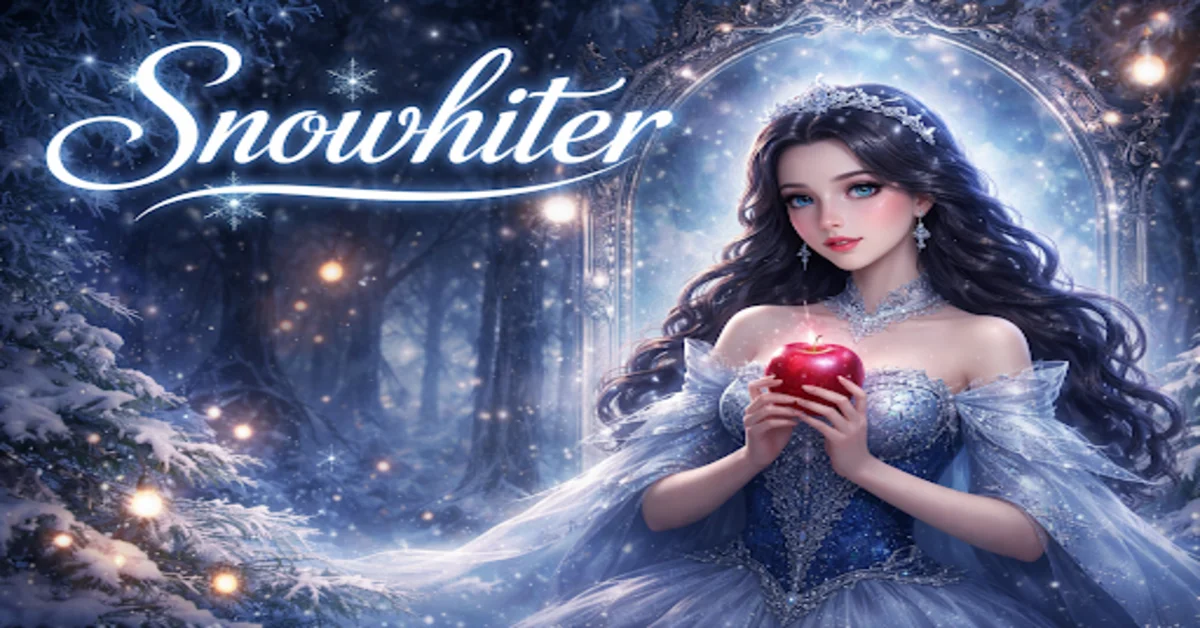
The fantasy core aesthetic around snowhiter features layered whites, muted blues, vintage textures, and forest motifs. It’s a style that communicates story possibilities at a glance: viewers immediately sense a narrative world without needing exposition.
Gothic Princess Influence
Gothic princess elements (lace, dark castles, melancholic coronets) meet winter palettes in many snowhiter artworks. This fusion produces characters who feel regal and haunted — an alluring combination for fashion, illustration, and narrative design.
Snowhiter in Social Media Culture
On platforms like image boards and short-form video apps, snowhiter functions as a tag and mood: creators post makeup looks, micro-stories, moodboards, and cosplay under the label. This viral visual shorthand helps the concept spread quickly and become discoverable, increasing its SEO potential.
Snowhiter as a Brand or Digital Identity
Snowhiter as a Username or Alias
Because it’s distinctive and evocative, snowhiter works well as a username or personal brand. It suggests a creative persona that’s dreamy yet resilient, making it attractive for writers, artists, and influencers seeking a memorable handle.
Branding Opportunities Around Snowhiter
Brands can use snowhiter aesthetics for seasonal collections, storytelling campaigns, or digital products aimed at lovers of fantasy and nostalgia. The keyword is flexible: it can be a product line, a content series, or a community label, depending on strategy.
SEO Potential of the Keyword
From an SEO standpoint, snowhiter is low-competition and high-opportunity. With careful on-page optimization (meta, headings, alt text) and quality content that leverages related keywords (like snowhiter meaning, snowhiter story, and snowhiter aesthetic), creators can rank for both informational and trend-driven queries.
Psychological and Archetypal Analysis
The Innocent Archetype
The Innocent archetype values purity and hope but can be naïve. In snowhiter, this archetype may be challenged and transformed. The narrative arc often moves from innocence to awareness, a journey that resonates deeply because it mirrors psychological maturation.
The Shadow Queen Archetype
The antagonist in snowhiter tales might represent a shadow: jealousy, societal constraint, or internalized fear. This “Shadow Queen” provides conflict and mirrors the protagonist’s potential future, offering a dramatic counterpoint that drives growth and tension.
Snowhiter as a Symbol of Transformation
Ultimately, snowhiter is frequently about transformation: thawing from numbness, embracing complexity, or stepping into one’s power. This symbolic potency allows the concept to function as both character template and thematic core.
Why Snowhiter Resonates Today
Modern Audiences and Reinvention
Audiences today favor stories that respect their intelligence and emotional complexity. Snowhiter appeals because it’s both recognizable and fresh — a template that invites reinvention and personal interpretation across cultures and platforms.
The Rise of Dark Fairy Tale Trends
The popularity of dark and ambiguous fairy tale retellings (books, TV, indie fiction) creates a receptive audience for snowhiter. This trend values psychological depth, moral ambiguity, and lush atmospherics — all things snowhiter can deliver.
Emotional and Cultural Appeal
Emotionally, snowhiter works because its symbols touch universal experiences: belonging, betrayal, and rebirth. Culturally, it fits into a zeitgeist that celebrates remixing tradition into something that reflects contemporary values.
RELATED: CVhatGPT: The Future of AI Innovation
Frequently Asked Questions
Is Snowhiter the Same as Snow White?
No. Snowhiter is inspired by familiar motifs from Snow White, but it’s a distinct concept designed for modern storytelling, branding, and aesthetic use.
Where Did Snowhiter Originate?
Snowhiter originates in the creative remix culture of modern writers and artists who draw on European folklore and the Grimm tradition. The name itself is a neologism meant to evoke wintery motifs and classic fairy-tale resonance, while enabling new narratives.
Is Snowhiter a New Fairy Tale?
It’s less a single tale and more a storytelling toolkit or motif cluster. Writers use snowhiter as the basis for new fairy-tale retellings, modern versions, and aesthetic projects.
Why Is Snowhiter Trending?
It trends because it sits at the intersection of nostalgia and reinvention: audiences enjoy echoes of beloved stories while craving updated, emotionally honest versions.
Summary
Snowhiter is poised to grow as creators, indie publishers, and digital communities experiment with the concept. Its adaptability across genres and media ensures it can evolve without losing its evocative core.
Because it balances timeless motifs (snow, mirrors, apples) with modern themes (agency, ambiguity), snowhiter has the potential to stick around as an evergreen creative concept that fresh creators can reinterpret endlessly.
From a practical perspective, snowhiter is an excellent focus keyword: memorable, low competition, and rich in related search intent (meaning, origin, aesthetic, retellings). Content that combines storytelling authority, clear meta strategy, and engaging visuals will perform well.